1,576 results
1,576 results for: Bees
- Science & Society
Why do some people succeed when others fail? Outliers provide clues
A close look at outliers — people or communities that defy expectations — reveals what could be.
- Animals
A new book shows how animals are already coping with climate change
‘Hurricane Lizards and Plastic Squid’ takes a clear-eyed look at future of animal life.
- Animals
Jumping spiders’ remarkable senses capture a world beyond our perception
Clever experiments and new technology are taking scientists deep into the lives of jumping spiders, and opening a portal to their experience of the world.
- Plants
A well-known wildflower turns out to be a secret carnivore
A species of false asphodel wildflower snags prey with gluey, enzyme-secreting hairs, leaving a trail of insect corpses on its flowering stem.
- Climate
The first step in using trees to slow climate change: Protect the trees we have
In all the fuss over planting trillions of trees, we need to protect the forests that already exist.
- Animals
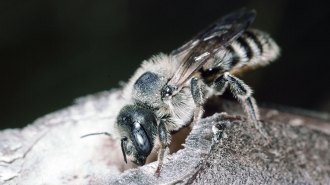
Bee larvae drum with their butts, which may confuse predatory wasps
Dual percussion instruments — one on the head, the other on the rear — give mason bee larvae a peculiar musical gift that may be a tool for survival.
- Animals
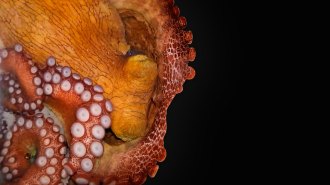
Octopus sleep includes a frenzied, colorful, ‘active’ stage
Four wild cephalopods snoozing in a lab had long stretches of quiet napping followed by brief bursts of REM-like sleep.
- Animals
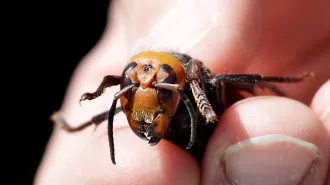
Rumors of a ‘murder hornet’ apocalypse may have been exaggerated
Murder hornets sightings in the Pacific northwest inspired a mix of concern and delight.
-
- Life
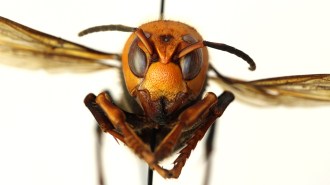
A new map shows where Asian giant hornets could thrive in the U.S.
Suitable habitat along the Pacific West Coast means so-called “murder hornets” could get a foothold in North America if they aren’t eradicated.
- Life
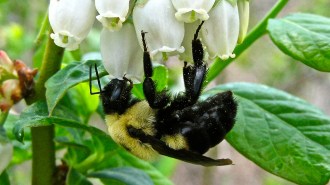
Wild bees add about $1.5 billion to yields for just six U.S. crops
Native bees help pollinate blueberries, cherries and other crops on commercial farms.
- Animals
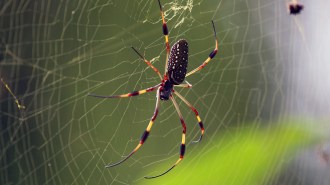
Some spiders may spin poisonous webs laced with neurotoxins
The sticky silk threads of spider webs may be hiding a toxic secret: potent neurotoxins that paralyze a spider’s prey.