1,428 results
1,428 results for: Whales
- Animals
‘The Cultural Lives of Whales and Dolphins’ offers window into cetacean societies
Dolphins and whales pass cultural knowledge to one another, the authors of a new book argue.
- Genetics
For penguins, it’s a matter of no taste
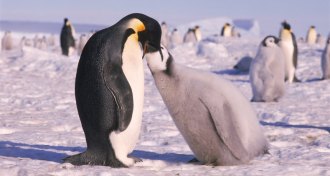
Penguins lack taste genes for bitter, sweet and umami.
- Paleontology
Earliest tree-dweller, burrower join mammal tree of life
Fossils show mammal ancestors did a lot more than cower in dinosaurs’ shadows.
- Earth
Mineral hunting, mob math and more reader feedback
Readers ask about Earth's most abundant mineral and discuss the notoriously unpredictable behavior of pedestrians.
- Ecosystems
Noise made by humans can be bad news for animals
Animals live in a world of sounds. Clever experiments are finally teasing out how human-made noise can cause dangerous distractions.
- Ecosystems
‘Earth: A New Wild’ puts people in the picture
PBS nature series ‘Earth: A New Wild’ shows humans living with, and not off, their environments
- Animals
Bowhead whales may unlock the secrets to a long, healthy life
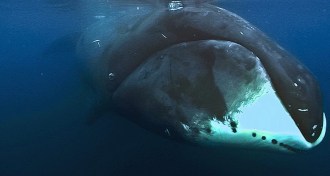
Analyzing the genome of the bowhead whale may help scientists understand how the animals live for more than 200 years.
- Science & Society
Visualizing Earth’s past, finding numbers in nature, and more
Exhibits at science museums around the country showcase the vastness of geologic time, whale evolution, life in ancient Maya civilization, and the mathematics hidden in nature.
- Earth
Earth’s most abundant mineral finally has a name
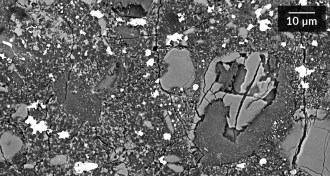
Bridgmanite, the planet’s most common mineral, christened after traces found in 1879 meteorite.
- Animals
Just enough fat is good for an elephant seal
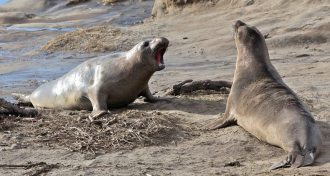
Fat affects the buoyancy of marine mammals. As elephant seals get fatter, they can spend less energy swimming and more time foraging, a new study finds.
- Animals
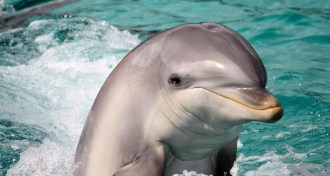
Dolphins appear to perceive magnetic fields
Bottlenose dolphins take less time to start exploring a magnetized block, suggesting they can sense magnetic fields.
- Animals
Baby fish are noisier than expected
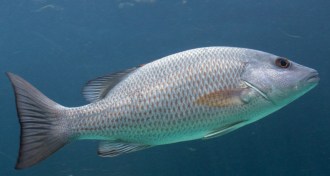
Gray snapper larvae may be able to communicate in open water using tiny knocks and growls.