Ecosystems
- Animals
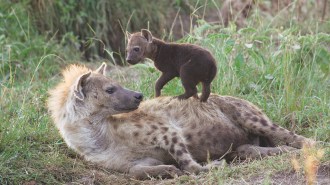
Female hyenas kill off cubs in their own clans
Along with starvation and mauling by lions, infanticide leads as a cause of hyena cub death. Such killings may serve to enforce the social order.
- Ecosystems
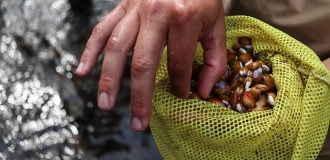
To save Appalachia’s endangered mussels, scientists hatched a bold plan
Biologists have just begun to learn whether their bold plan worked to save the golden riffleshell, a freshwater mussel teetering on the brink of extinction.
- Plants
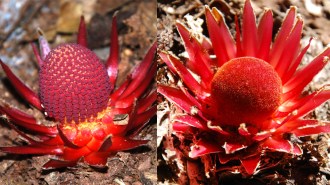
This parasitic plant consists of just flashy flowers and creepy suckers
With only four known species, Langsdorffia are thieves stripped down to their essentials.
- Oceans
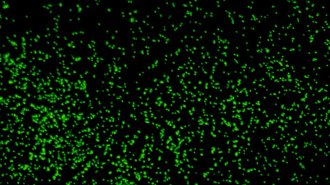
These ancient seafloor microbes woke up after over 100 million years
Scientists discover that microbes that had lain dormant in the seafloor for millions of years can revive and multiply.
- Animals
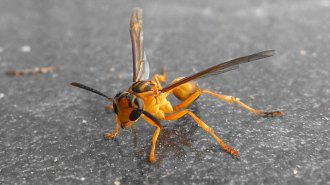
A wasp was caught on camera attacking and killing a baby bird
Some wasps scavenge carrion or pluck parasites off birds, but reports of attacks on live birds are rare.
- Health & Medicine
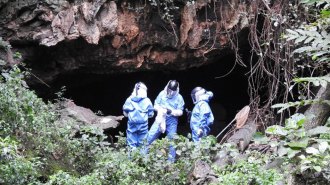
To prevent the next pandemic, we might need to cut down fewer trees
Investing in halting deforestation and limiting the wildlife trade could be a cost-effective way to reduce the risk of pandemics, a new analysis finds.
- Animals
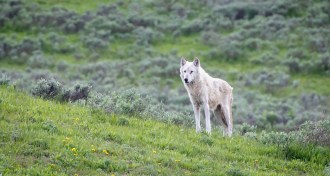
How Yellowstone wolves got their own Ancestry.com page
Since the wolves’ reintroduction to the park, 25 years of devoted watching has chronicled bold moves, big fights and lots of puppies.
- Animals
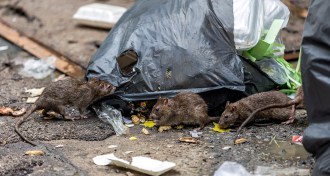
The ‘ratpocalypse’ isn’t nigh, according to service call data
A new study shows that rat-related reports in New York City went down during COVID-19 lockdowns compared with previous years during March and April.
- Life
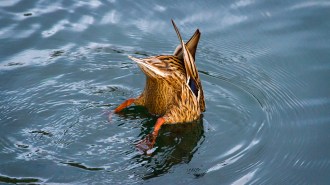
Fish eggs can hatch after being eaten and pooped out by ducks
In the lab, a few carp eggs survived and even hatched after being pooped out by ducks. The finding may help explain how fish reach isolated waterways.
- Ecosystems
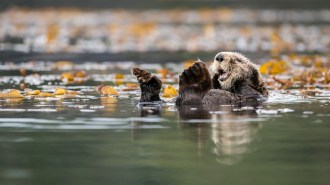
Bringing sea otters back to the Pacific coast pays off, but not for everyone
Benefits of reintroducing sea otters in the Pacific Northwest, such as boosting tourism, vastly outweigh the costs, a new analysis shows.
- Animals
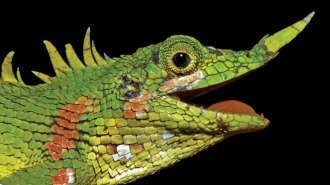
A nose-horned dragon lizard lost to science for over 100 years has been found
It’s now known that a Modigliani’s lizard, first found in 1891 in Indonesia, is bright green but can shift shades like a chameleon.
- Life
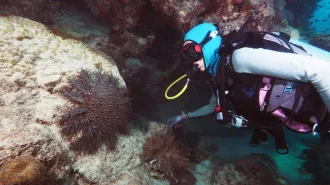
Fish poop exposes what eats the destructive crown-of-thorns starfish
During population booms, crown-of-thorns can devastate coral reefs. Identifying predators of the coral polyp slurpers could help protect the reefs.