Agriculture
- Earth
Gassy farm soils are a shockingly large source of these air pollutants
California’s farm soils produce a surprisingly large amount of smog-causing air pollutants.
- Animals
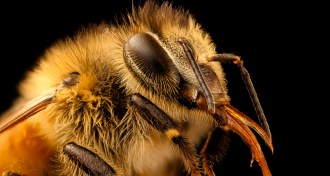
The mystery of vanishing honeybees is still not definitively solved
The case has never been fully closed for colony collapse disorder, and now bees face bigger problems.
- Animals
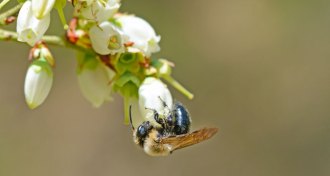
Honeybees fumble their way to blueberry pollination
Blueberry flowers drive honeybees to grappling, even stomping a leg or two down a bloom throat, to reach pollen.
- Animals
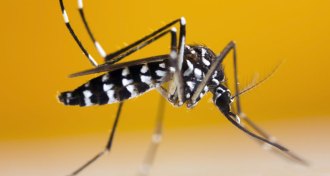
EPA OKs first living pest-control mosquito for use in United States
Feds approve non-GM male tiger mosquitoes for sale as fake dads to suppress local pests.
- Agriculture
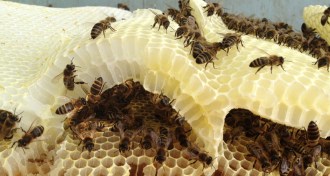
Much of the world’s honey now contains bee-harming pesticides
A controversial group of chemicals called neonicotinoids has a global impact, tests of honey samples show.
- Plants
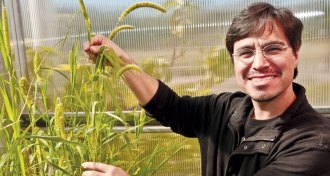
José Dinneny rethinks how plants hunt for water
Plant biologist José Dinneny probes the very beginnings of root development, which may have important implications for growing food in a changing climate.
- Agriculture
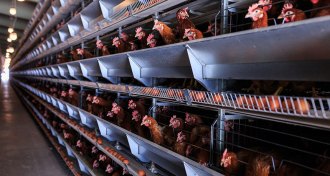
‘Big Chicken’ chronicles the public health dangers of using antibiotics in farming
A new book takes a hard look at the chicken industry for its role in fostering antibiotic resistance.
- Agriculture
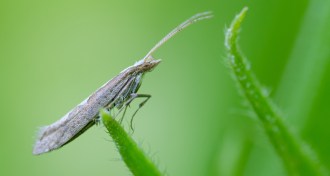
GM moth trial gets a green light from USDA
GM diamondback moths will take wing in a New York field trial.
- Climate
Climate change might help pests resist corn’s genetic weapon
Rising temperatures may allow pests to eat corn that is genetically modified to produce an insect-killing toxin.
- Climate
Changing climate could worsen foods’ nutrition
Climate change could aggravate hidden hunger by sapping micronutrients from soils and plants, reducing nutrition in wheat, rice and other crops.
- Genetics
How to grow toxin-free corn
Corn genetically altered to produce specialized molecules may prevent a fungus from tainting it with carcinogenic toxins.
- Agriculture
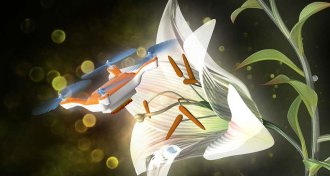
Fleets of drones could pollinate future crops
Chemist Eijiro Miyako turned a lab failure into a way to rethink artificial pollination.