Climate
- Climate
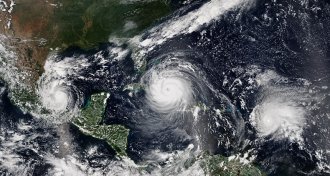
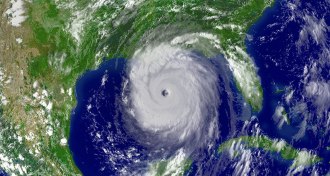
Warm tropical Atlantic waters juiced the 2017 hurricane season
Anomalously warm ocean waters in the tropical Atlantic Ocean drove 2017’s hurricane powerhouses.
- Psychology
Shahzeen Attari explores the psychology of saving the planet
Merging psychology with engineering, Shahzeen Attari probes how people think about conservation, energy use and climate change.
- Agriculture
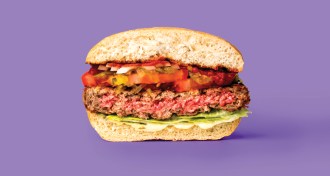
Can science build a better burger?
Researchers hope to replace whole animal agriculture and feed the world with lab-made meats or plants.
- Climate
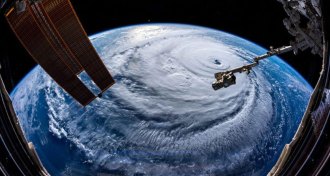
Here’s how climate change is fueling Hurricane Florence
Scientists take a stab at predicting climate change’s influence on Hurricane Florence.
- Earth
Sea level rise doesn’t necessarily spell doom for coastal wetlands
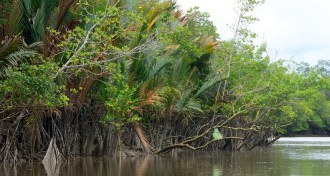
Wetlands can survive and even thrive despite rising sea levels — if humans give them room to grow.
- Climate
Wildfires make their own weather, and that matters for fire management
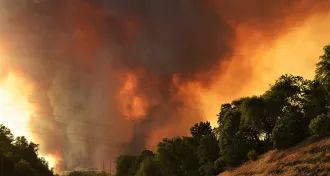
Mathematical equations describing interactions between wildfires and the air around them help explain their power and destruction.
- Climate
As temperatures rise, so do insects’ appetites for corn, rice and wheat
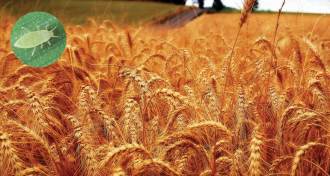
Hotter, hungrier pests likely to do 10 percent to 25 percent more damage to grains for each warmer degree.
- Health & Medicine
As algae blooms increase, scientists seek better ways to predict these toxic tides
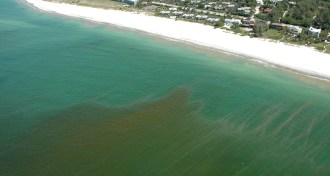
Scientists around the United States are developing programs that can predict harmful algal blooms in advance.
- Climate
Chances of an Atlantic hurricane season busier than 2005’s are slim — for now
The 28 named tropical storms that swirled through the Atlantic Ocean in 2005 is about as many as the region can produce in a year.
- Earth
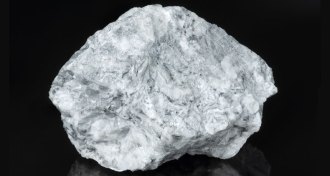
Scientists create a mineral in the lab that captures carbon dioxide
Magnesite takes a long time to form in nature. Now, a team has found a way to speed up the making of the mineral, which can store carbon dioxide.
- Earth
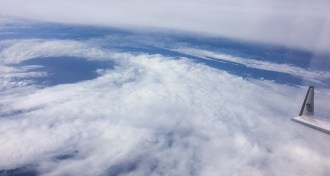
In 1968, scientists tried taming hurricanes
For over 20 years, the U.S. government tried to subdue hurricanes through cloud seeding, with mixed results.
- Life
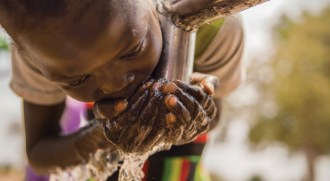
More than 2 billion people lack safe drinking water. That number will only grow.
By 2050, half the world’s population may no longer have safe water to drink or grow food. What then?