Earth
We summarize the week's scientific breakthroughs every Thursday.
- Climate
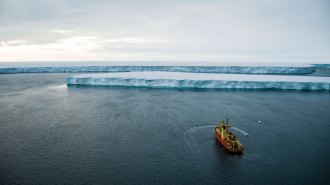
Can geoengineering plans save glaciers and slow sea level rise?
As climate change melts West Antarctica’s glaciers, scientists are proposing bold ideas to avoid devastating sea level rise. Will they work?
- Health & Medicine
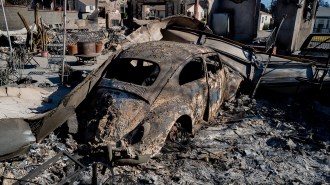
Toxic dangers lurk in LA, even in homes that didn’t burn
Urban wildfires like LA’s make harmful chemicals from burning plastics and electronics that can make indoor air dangerous for months.
- Life
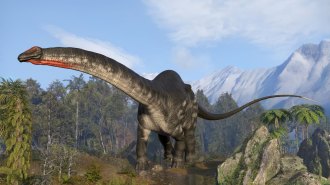
A new book explores the evolutionary romance between plants and animals
Riley Black’s new book, When the Earth was Green, uses the latest research to envision the ancient worlds of our favorite prehistoric animals.
- Animals
Hotter cities? Here come the rats
Well, rats. A study of 16 cities shows that higher ambient temperatures and loss of green space are associated with increasing rodent complaints.
- Earth
Ancient rocks reveal when rivers began pouring nutrients into the sea
Rivers began pumping weathered material into the sea about a billion years after Earth formed, suggesting continents may have gotten an early start.
- Climate
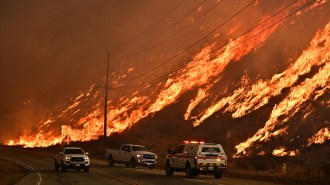
Yes, you can blame climate change for the LA wildfires
Weather data show how humankind’s burning of fossil fuels made the hot, dry, windy weather more likely, setting the stage for the Los Angeles wildfires.
- Earth
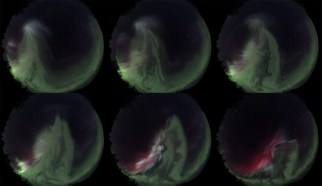
Ghostly white northern lights present new auroral mystery
These mysterious whitish-gray glows in the northern lights might be cousins of the mauve light streak known as STEVE.
- Earth
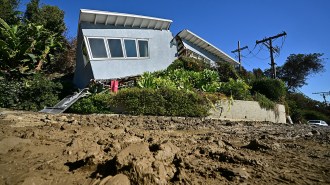
Another danger looms after the LA fires: Devastating debris flows
As wildfires burn the landscape, they prime slopes for debris flows: powerful torrents of rock, mud and water that sweep downhill with deadly momentum.
- Climate
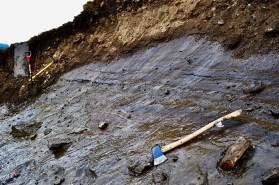
Unearthed ice may be the Arctic’s oldest buried glacier remnant
Thanks to climate change, thawing permafrost in the Canadian Arctic has revealed the buried remnant of a glacier that’s 770,000 years old.
- Environment
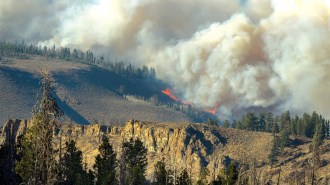
A podcast challenges us to reassess our relationship with wildfires
United by Fire lays out key insights from the two largest blazes in Colorado history, the Cameron Peak and East Troublesome fires of 2020.
- Climate
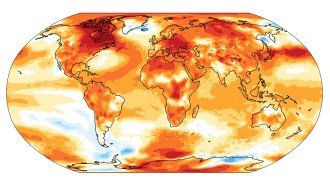
2024 was Earth’s hottest year on record, passing a dangerous warming threshold
Global temperatures were the hottest on record in 2024; it was the first year where the average temperature topped 1.5 degrees Celsius above preindustrial times.
- Paleontology
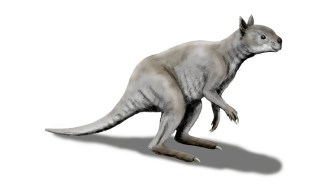
Humans, not climate change, may have wiped out Australia’s giant kangaroos
About 40,000 years ago, giant kangaroos vanished Down Under. Dental analyses suggest a varied diet, meaning climate change was not the main cause.