Ecosystems
- Climate
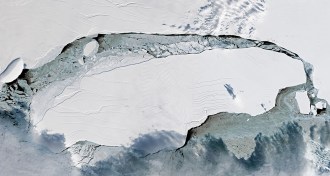
The Larsen C ice shelf break has sparked groundbreaking research
The hubbub over the iceberg that broke off Larsen C may have died down, but scientists are just getting warmed up to study the aftermath.
- Animals
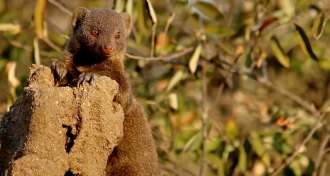
Once settled, immigrants play important guard roles in mongoose packs
Dwarf mongoose packs ultimately benefit from taking in immigrants, but there’s an assimilation period.
- Animals
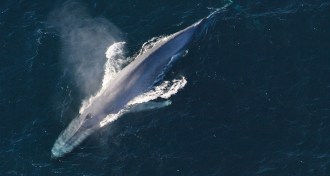
Most blue whales are ‘righties,’ except for this one move
Though many blue whales tend to be “right-handed” when hunting for krill, one specific barrel roll move requires a lefty twist.
- Ecosystems
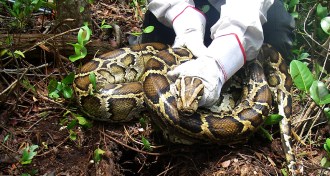
Invasive species are a growing global threat
'The Aliens Among Us' describes how invasive species are colonizing — and disrupting — ecosystems worldwide.
- Paleontology
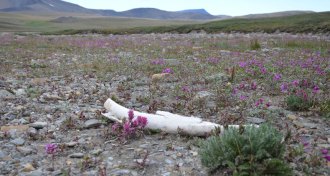
What male bias in the mammoth fossil record says about the animal’s social groups
Male woolly mammoths were more often caught in natural traps that preserved their remains, DNA evidence suggests.
- Animals
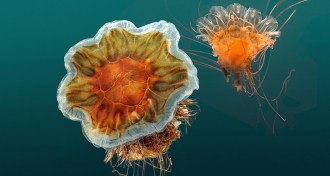
Here’s the real story on jellyfish taking over the world
In 'Spineless,' a former marine scientist reconnects with the seas and science through her obsession with these enigmatic creatures.
- Life
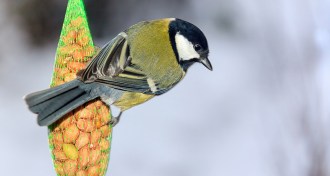
How bird feeders may be changing great tits’ beaks
Longer beaks may be evolving in U.K. great tits because of the widespread use of bird feeders in the country.
- Animals
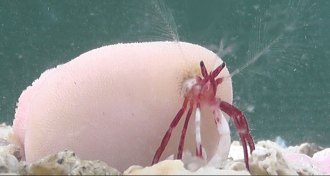
This newfound hermit crab finds shelter in corals, not shells
A newly discovered hermit crab takes its cue from peanut worms and uses walking corals as a permanent shelter.
- Climate
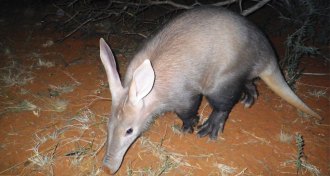
Rising temperatures threaten heat-tolerant aardvarks
Aardvarks may get a roundabout hit from climate change — less food.
- Animals
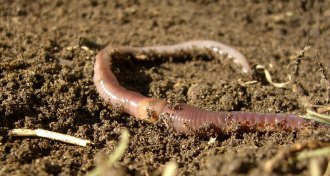
Invasive earthworms may be taking a toll on sugar maples
Sugar maple trees in the Upper Great Lakes region are more likely to have dying branches when there are signs of an earthworm invasion, a new study finds.
- Animals
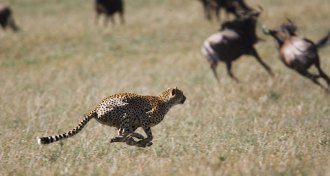
Why midsize animals are the fastest
New analysis delves into the mystery of why medium-sized animals are speedier than bigger ones.
- Animals
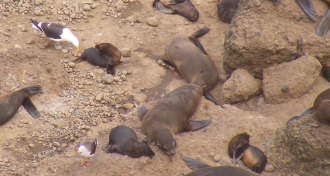
One creature’s meal is another’s pain in the butt
Kelp and dolphin gulls in Patagonia have found a new food source. But they accidentally injure fur seal pups to get it.