Genetics
- Genetics
Wanderlust may be written in our DNA
A new study suggests that inherited traits explain a small but measurable share of why some people relocate far from where they were born.
- Animals
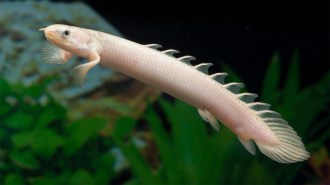
Regeneration of fins and limbs relies on a shared cellular playbook
The findings strengthen the case that regeneration is an old trait, offering insights into how complex tissues rebuild themselves.
- Genetics
AI tool AlphaGenome predicts how one typo can change a genetic story
The tool helps scientists understand how single-letter mutations and distant DNA regions influence gene activity, shaping health and disease risk.
- Health & Medicine
It masquerades as malignant. But this bone-covered tumor is benign
Scientists have described a novel, yet benign bone-covered growth's characteristics for doctors, so patients don't receive unnecessary chemotherapy.
- Animals
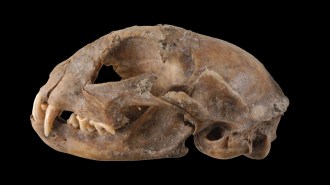
Ancient DNA rewrites the tale of when and how cats left Africa
Cats were domesticated in North Africa, but spread to Europe only about 2,000 years ago. Earlier reports of “house” cats were wild cats.
- Animals
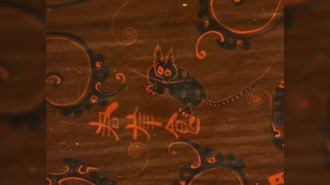
Ancient DNA reveals China’s first ‘pet’ cat wasn’t the house cat
The modern house cat reached China in the 7th century. Before that, another cat — the leopard cat — hunted the rodents in ancient Chinese settlements.
- Humans
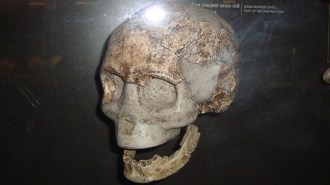
Ancient southern Africans took genetic evolution in a new direction
An ancient, shared set of human-specific genes underwent changes in a geographically isolated population after around 300,000 years ago, scientists say.
- Anthropology
DNA reveals Neandertals traveled thousands of kilometers into Asia
DNA and stone tool comparisons suggest Eastern European Neandertals trekked 3,000 kilometers to Siberia, where they left a genetic and cultural mark.
- Artificial Intelligence
AI-designed proteins test biosecurity safeguards
AI edits to the blueprints for known toxins can evade detection. Researchers are improving filters to catch these rare biosecurity threats.
- Genetics
AI generated its first working genome: a tiny bacteria killer
Bacteriophages designed with AI kill E. coli faster than a well-studied strain, but the tech needs regulation before moving beyond lab dishes.
- Health & Medicine
Scientists made human egg cells from skin cells
More work needs to be done to create viable human embryos, but the method might someday be used in IVF to help infertile people and male couples.
- Animals
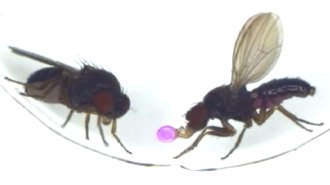
A single protein makes lovesick flies spill their guts
Producing a male-specific protein in digestion-related neurons may have led to the evolution of an odd “romantic” barfing behavior in one species of fruit flies.