Psychology
- Climate
Why we fail to notice climate change
People quickly normalize extreme weather. Simple visuals highlighting abrupt change could help climate change break through our mental blind spots.
- Neuroscience
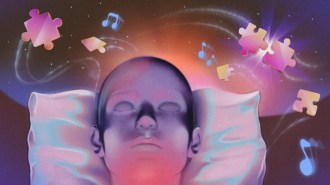
The right sounds may turn sleep into a problem-solving tool
Lucid dreamers who heard puzzle-linked soundtracks while sleeping were more likely to solve those unsolved problems the next day.
- Neuroscience
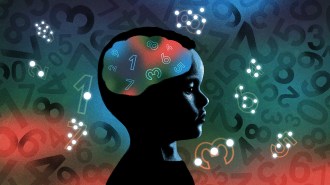
Why is math harder for some kids? Brain scans offer clues
Kids with math learning disabilities process number symbols differently than quantities shown as dots — and it shows up in MRIs.
- Anthropology
When the fish stop biting, ice fishers follow the crowd
Study showcases how modern-day foragers stick together when seeking food. Such social forces could help explain the emergence of complex thinking.
- Animals
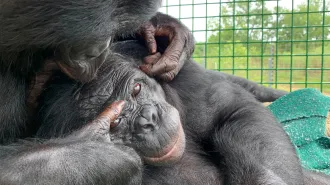
A bonobo’s imaginary tea party suggests apes can play pretend
Apes, like humans, are capable of pretend play, challenging long-held views about how animals think, a new study suggests.
- Artificial Intelligence
AI models spot deepfake images, but people catch fake videos
A new study finds that humans and AI spot different kinds of deepfakes — hinting at the need to team up to fight them.
- Psychology
With effort, procrastinators can change
Procrastination in young adulthood is not set in stone, though change is difficult, a long-term study shows.
- Neuroscience
Easy on the eyes is also easy on the brain
A new study finds that the brain spends less energy processing scenes that people find aesthetically pleasing.
- Science & Society
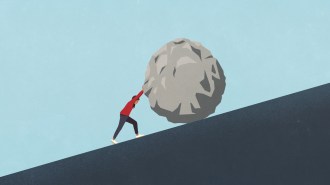
This new year, maybe resolve to quit
Western cultural stories tend to emphasize perseverance. But science shows that knowing when to quit has a place in our success too.
- Psychology
As gambling addiction spreads, one scientist’s work reveals timely insights
Psychiatrist Robert Custer spent his life convincing doctors that compulsive gambling was not an impulse control problem. Today, his research is foundational for diagnosis and treatment.
- Psychology
Some irritability is normal. Here’s when it’s not
Irritability is a normal response to frustrations, but it can sometimes signal an underlying mental health disorder, like depression or anxiety.
- Psychology
Chatbots spewing facts, and falsehoods, can sway voters
Chatbots that dole out fact-laden arguments can sway voters. Those facts don’t have to be true.