Science & Society
The truth about brain rot, according to science
Emerging research suggests overusing digital devices can be harmful, especially to mental health. But does being overly online truly rot our brains?
We summarize the week's scientific breakthroughs every Thursday.
The FDA will allow bemotrizinol in sunscreen. The chemical is long-lasting and defends against solar radiation that ages skin.
Making social connection part of job design, whether people work remotely, hybrid or in-person, is key to supporting employees‘ well-being.
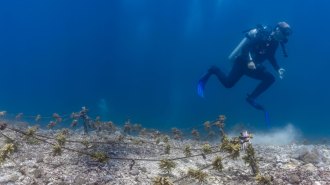
Hours of diving videos and hundreds of survey responses reveal the common diver mistakes that can cause irreversible reef damage.
Editor in chief Nancy Shute introduces a new social sciences column that explores what it means to be human.
Experimental houses with screens, rainwater systems and ventilation reduced malaria, diarrhea and infections among children in Tanzania.
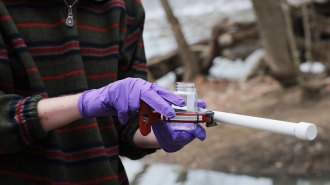
Best practices, including checking public E. coli reports and keeping your head above water can keep you safe while swimming.
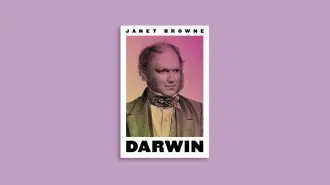
Historian Janet Browne’s Darwin: A Biography lifts the curtain on the private life of Charles Darwin, one of science’s most controversial pioneers.
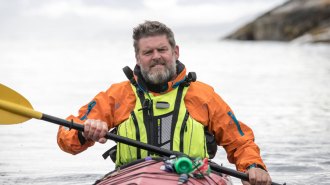
British chef Mike Keen will ski across Greenland eating only fermented seal. Researchers will study how the Inuit diet shapes gut health.
Technologies, including chatbots, promise to make life easier. But removing the friction, or effort involved in thinking, has costs.