All Stories
- Science & Society
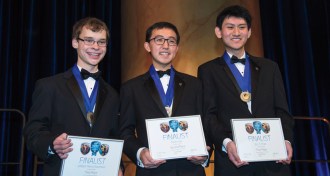
Flu drug research takes Intel STS top honors
A teenager’s computer analyses that identified six potential new flu-fighting compounds claimed first place at the 2014 Intel Science Talent Search.
- Animals
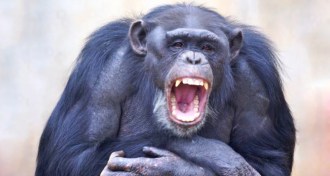
Chimps catch people’s yawns in sign of flexible empathy
Chimpanzees may show humanlike empathy, as evidenced by their contagious yawning.
- Neuroscience
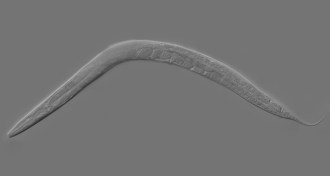
Brain chemicals help worms live long and prosper
Serotonin and dopamine accompany long lives in C. elegans worms under caloric restriction.
- Tech
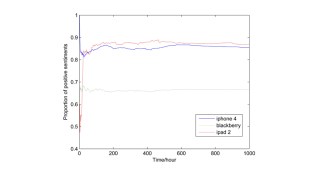
Early advantages pay off in public opinion on Twitter
Twitter data show that having a slight advantage early in the formation of public opinion can be beneficial even though the state of the opinions level off over time.
- Health & Medicine
Overheard, baby edition: Making sense of new words
Eavesdropping babies learn new words when they understand familiar ones.
- Health & Medicine
Second wave of bird flu ups pandemic worries
The H7N9 avian influenza virus, which first appeared in 2013, is sweeping China with a second, larger wave of illness.
- Earth
How the Chicxulub impact made acid rain
Using lasers to accelerate materials to asteroid-like impact velocities, scientists have shown how the Chicxulub asteroid impact, which happened roughly 65 million years ago, could have created a mass extinction in the oceans.
- Life
Acid-bath method for making stem cells under fire
No one has been able to reproduce a new technique for creating stem cells called STAP cells, leading some researchers to call for the retraction of the original research papers.
- Planetary Science
Feedback
Readers respond to a special report on neuroscience and discuss moon dust.
- Health & Medicine
MS milder when patients begin with higher vitamin D levels
Multiple sclerosis patients with low concentrations of vitamin D early in their disease have more nerve damage several years later.
- Climate
Warm, wet weather may have helped Genghis Khan rule
Mild, wet weather — not drought — may have helped Genghis Khan expand the Mongolian empire to the largest in human history.
- Animals
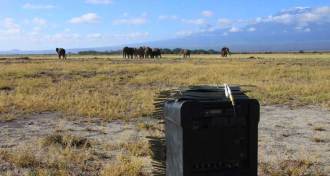
Elephants can tell men’s voices from women’s
Amboseli elephants may pick out age and gender — and even distinguish between languages — when listening to human voices.