All Stories
- Animals
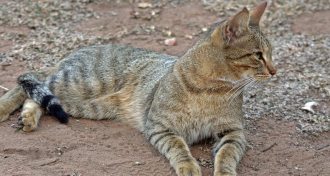
Little African cats need big parks
Protecting African wildcats requires large protected areas free of feral cats to avoid the risk of the wild species disappearing through hybridization.
- Animals
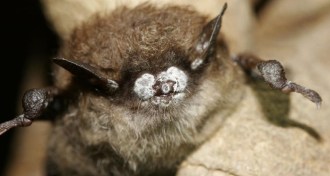
White-nose syndrome messes with bats’ metabolisms
Bats with the deadly white-nose syndrome use twice as much fat for energy as their healthy companions in winter months.
- Archaeology
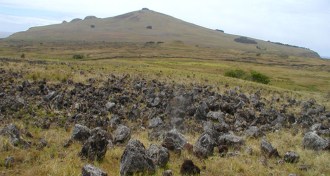
Stones challenge dating of Easter Island collapse
Despite losing ground in some areas, Polynesian farmers outlasted European contact.
- Life
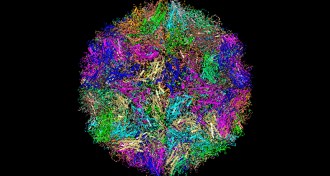
Cold coddles colds
Antiviral responses aren’t as effective against common cold viruses in cooler temperatures.
- Health & Medicine
‘AIDS’ gives inside view of science, politics of epidemic
In ‘AIDS Between Science and Politics,’ pioneering HIV expert Peter Piot discusses the factors and events that shaped the epidemic.
- Animals
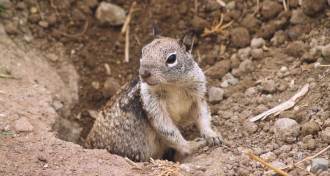
Why ground squirrels go ninja over nothing
Ground squirrels twist and dodge fast enough to have a decent chance of escaping rattlesnake attacks.
- Climate
‘Storm Surge’ revisits Sandy, looks to future hurricanes
Superstorm Sandy deluged New York City and could be a harbinger of future coastal flooding.
- Psychology
‘Survival of the Nicest’ demonstrates altruism all around
Selfishness is not the rule in human society, new book argues.
-
- Ecosystems
Lessons for the new year
SN Editor in Chief, Eva Emerson, reflects on looking to nature for insights on how to constructively look ahead - even if just a year -drawing from a handful of this issues natural science stories for her 2015 resolutions.
- Neuroscience
Cold War collaboration probed possible viral cause of ALS
A mid-1960s collaboration between American and Soviet researchers explored a possible viral cause of ALS.
- Life
Insect-eating bats implicated as Ebola outbreak source
Insect-eating bats, not fruit bats, may have started the Ebola epidemic.