Uncategorized
-
NeuroscienceLike people, dogs have brain areas that respond to voices
MRI study may help explain how pups understand human communication.
-
ArchaeologyFire used regularly for cooking for 300,000 years
Israeli cave yields a fireplace where Stone Age crowd may have cooked up social change.
By Bruce Bower -
PsychologyLend an ear to science
Pop music hit maker Clive Davis knows a catchy song when he hears one. Now an app aims to define that elusive quality more concretely.
-
Health & MedicineMesh best for hernia repair
Data from nine studies show fewer recurrences than fixes with sutures only.
By Nathan Seppa -
LifeBig study raises worries about bees trading diseases
Pathogens may jump from commercial colonies to the wild.
By Susan Milius -
AstronomyWhile exploding, supernovas not spherical
X-rays reveal uneven allotment of element made by blowup.
By Andrew Grant -
Health & MedicineHighlights from the International Stroke Conference
Clotting risk after pregnancy, driving after a stroke and more presented February 12-14 in San Diego.
By Nathan Seppa -
OceansUnknowns linger for sea mining
Scientists struggle to predict underwater digs’ effects on sea life.
By Beth Mole -
PsychologyStress hormone rise linked to less risky financial decisions
People given cortisol chose safer options, suggesting inherent risk aversion as an overlooked variable in financial crises.
-
EarthMagma spends most of its existence as sludgy mush
Volcanic magma may spend most of its time in a chunky state resembling cold porridge, a new study finds.
-
PhysicsLevitating objects with sound
Physicists have levitated millimeter-sized objects. Now, the objects can levitate and move in all directions.
By Andrew Grant -
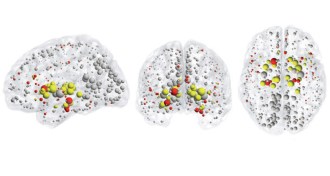
NeuroscienceWhite matter scaffold offers new view of the brain
A new neural map of white matter connections may explain why some injuries are worse than others.