2,571 results
2,571 results for: Cats
- Quantum Physics
A sapphire Schrödinger’s cat shows that quantum effects can scale up
The atoms in a piece of sapphire oscillate in two directions at once, a mimic of the hypothetically dead-and-alive feline.
- Health & Medicine
Pets and people bonded during the pandemic. But owners were still stressed and lonely
People grew closer to their pets during the first two years of COVID. But pet ownership didn’t reduce stress or loneliness, survey data show.
- Life
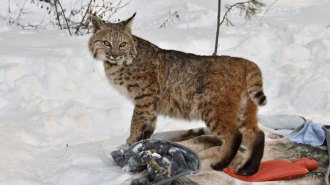
Large predators push coyotes and bobcats near people and to their demise
Coyotes and bobcats hide near people when wolves, cougars and other large predators are close-by, putting the smaller carnivores at a higher risk of dying at human hands.
- Paleontology
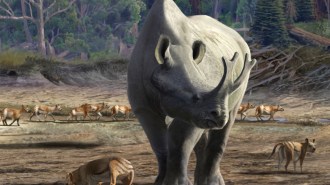
‘Thunder beast’ fossils show how some mammals might have gotten big
Rhinolike mammals called brontotheres repeatedly evolved into bigger and smaller species, a fossil analysis shows. The bigger ones won out over time.
- Quantum Physics
Quantum computers could break the internet. Here’s how to save it
Today's encryption schemes will be vulnerable to future quantum computers, but new algorithms and a quantum internet could help.
- Animals
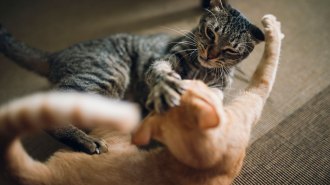
Are your cats having fun or fighting? Here are some ways to tell
Certain behaviors indicate if your cats’ interaction is friendly, aggressive or something in between, a new study finds.
- Paleontology
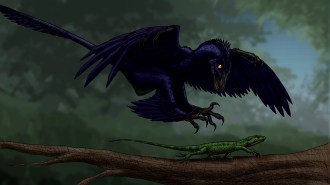
This dinosaur might have used its feet to snag prey in midair like modern hawks
Fossilized toe pads suggest a hawklike hunting style in Microraptor, a dinosaur that some scientists think could hunt while flying.
- Animals
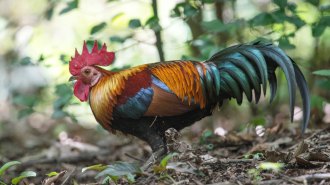
Chicken DNA is replacing the genetics of their ancestral jungle fowl
Up to half of modern jungle fowl genes have been inherited from domesticated chickens. That could threaten the wild birds’ long-term survival.
- Animals
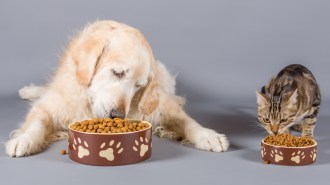
Dry pet food may be more environmentally friendly than wet food
The environmental cost of wet pet food is higher than dry food, scientists say. That may be because wet food gets most of its calories from animals.
- Life
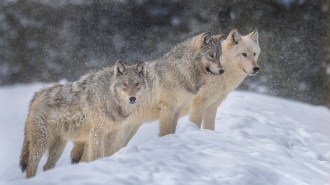
A parasite makes wolves more likely to become pack leaders
In Yellowstone National Park, gray wolves infected with Toxoplasma gondii make riskier decisions, making them more likely to split off from the pack.
- Health & Medicine
Cat allergies may be tamed by adding an asthma therapy to allergy shots
Adding an antibody already used to treat asthma to standard allergy shots improved cat allergy symptoms for a least a year, a small study finds.
- Animals
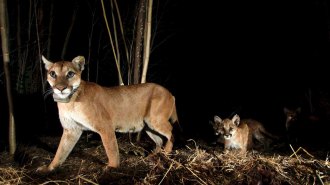
Mountain lions pushed out by wildfires take more risks
A study tracking mountain lions showed that after an intense burn, the big cats crossed roads more often, raising the risk of becoming roadkill.