113,288+ results
113,288+ results for:
- Life
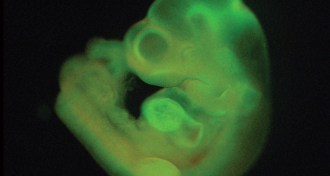
Contamination blamed in STAP stem cell debacle
Stem cells supposedly made in acid baths were really embryonic stem cells, investigation finds.
- Ecosystems
Cities are brimming with wildlife worth studying
Urban ecologists are getting a handle on the varieties of wildlife — including fungi, ants, bats and coyotes — that share sidewalks, parks and alleyways with a city’s human residents.
- Genetics
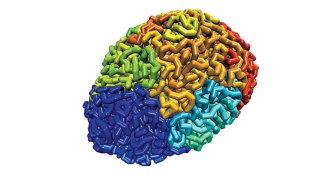
The art of DNA folding
Cells must compress genetic material into a nucleus that measures only about 5 micrometers across. To accomplish the feat, cells make loops in the DNA.
- Quantum Physics
Bell’s math showed that quantum weirdness rang true
50 years ago, John Bell proved a theorem that led the way to establishing the weirdness of quantum physics.
- Health & Medicine
Priming the elderly for flu shots
A drug that shuts down a potent signaling molecule in cells might boost protection elicited with flu vaccination, a study finds.
- Astronomy
Europa’s geysers play hard-to-see
Follow-up observations of Europa failed to confirm the existence of geysers venting the Jupiter moon’s hidden ocean into space.
- Humans
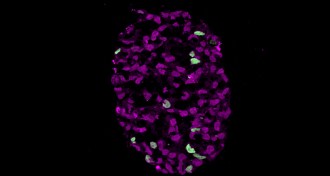
Precursors of human sperm and eggs made from stem cells
Reprogrammed adult human cells can produce germ cells, precursors of sperm and eggs.
- Animals
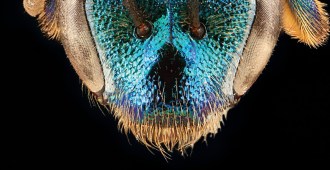
Bees, up close and personal
A photo archive from the U.S. Geological Survey's Bee Inventory and Monitoring Lab offers detailed photos of bee species.
- Animals
China’s reindeer are on the decline
A small, semi-domesticated population of reindeer found in northern China is suffering due to threats ranging from inbreeding to tourism.
- Health & Medicine
Online favorites of 2014
Science News' website traffic reveals the most-read news stories and blog posts of 2014.
- Animals
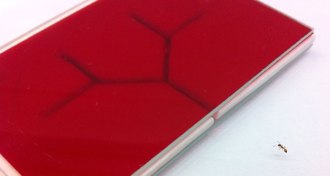
Rock ants favor left turns in unfamiliar crevices
Rock ants’ bias for turning left in mazes, a bit like handedness in people, may reflect different specializations in the halves of their nervous system.
- Life
Hydrogen sulfide offers clue to how reducing calories lengthens lives
Cutting calories boosts hydrogen sulfide production, which leads to more resilient cells and longer lives, a new study suggests.