Physics
Pickles glow when you plug them in. Science explains why
A scientist, a jar of pickles and a power strip walk into a room. The punchline involves physics, glowing condiments and a scientific party trick.
We summarize the week's scientific breakthroughs every Thursday.
Metals like copper oxidize — reacting with oxygen in the air — but gold doesn’t, thanks to a quick switch in atom arrangement on its surface.
At cold temperatures, water has two different liquid phases, which become one at the critical point. The discovery could help explain water’s quirks.
Proton movement in the nail polish probably activates the touchscreen, but the formula isn’t ready to hit shelves yet.
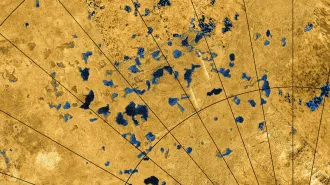
An experiment mimicking conditions on the Saturn moon suggests that cell-like bubbles don’t form in methane lakes, puncturing hopes for alien life.
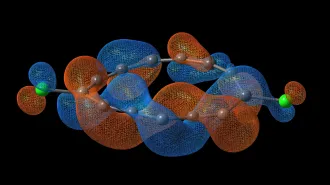
A molecule made of carbon and chlorine is half as twisty as the paper loops common in math classes.
The framework predicts how proteins will function with several interacting mutations and finds combinations that work well together.
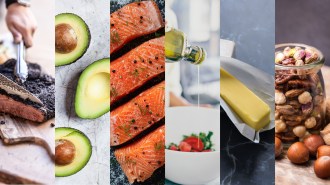
New U.S. dietary guidelines promote eating full-fat foods and meats. But experts say nuts and seed oils are better sources of the two crucial fats we need.
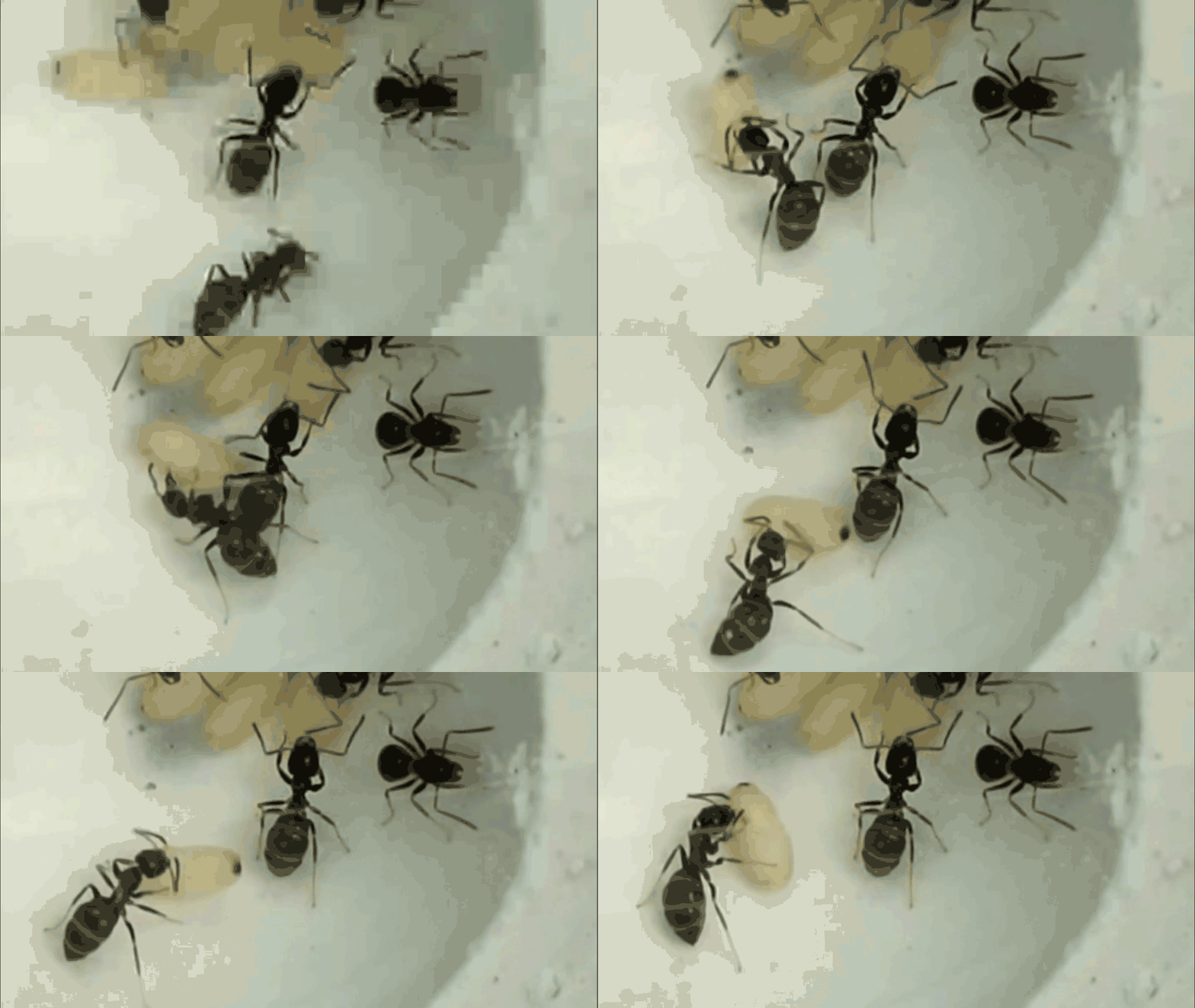
When infected by a fungal disease, ant pupae actively emit a chemical cue that prompts workers to get rid of them for the good of the colony.
A closeup look at colibactin’s structure reveals chemical motifs that guide its mutation-wreaking “warheads” to specific stretches of DNA.