Earth
We summarize the week's scientific breakthroughs every Thursday.
- Climate
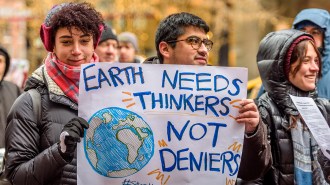
Climate change disinformation is evolving. So are efforts to fight back
Researchers discuss effective ways to counter the changing tactics of climate denial.
- Animals
The U.S.’s first open-air genetically modified mosquitoes have taken flight
After a decade of argument, Oxitec pits genetically modified mosquitoes against Florida’s spreaders of dengue and Zika.
- Climate
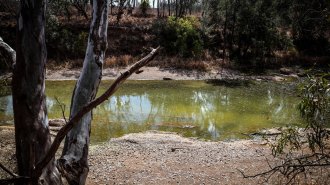
Rivers might not be as resilient to drought as once thought
Seven years after Australia’s Millennium drought, water flow in many rivers isn’t returning to predrought levels.
- Animals
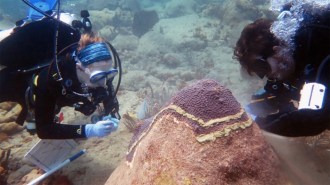
A common antibiotic slows a mysterious coral disease
Applying the antibiotic amoxicillin to infected lesions halted tissue death in corals for at least 11 months after treatment.
- Climate
Mangrove forests on the Yucatan Peninsula store record amounts of carbon
Dense tangles of roots and natural water-filled sinkholes join forces to stockpile as much as 2,800 metric tons of carbon per hectare in the soil.
- Microbes
These climate-friendly microbes recycle carbon without producing methane
A newly discovered group of single-celled archaea break down decaying plants without adding the greenhouse gas methane to the atmosphere.
- Agriculture
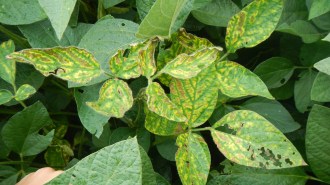
Nanoscale nutrients can protect plants from fungal diseases
Applied to the shoots, nutrients served in tiny metallic packages are absorbed more efficiently, strengthening plants’ defenses against fungal attack.
- Earth
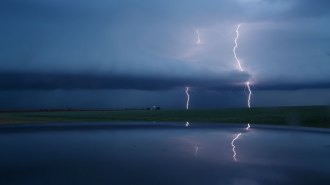
Lightning may be an important source of air-cleaning chemicals
Airplane observations show that thunderstorms can directly generate vast quantities of atmosphere-cleansing chemicals called oxidants.
- Climate
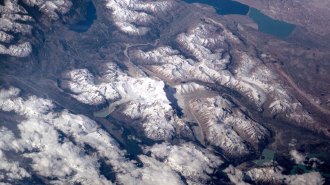
Climate change may have changed the direction of the North Pole’s drift
A mid-1990s shift in the movement of the pole was driven by glacial melt, in part caused by climate change, among other factors, a new study reports.
- Chemistry
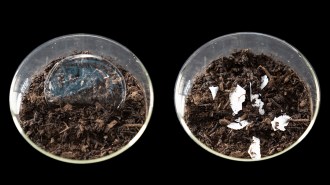
A new technique could make some plastic trash compostable at home
Embedding enzymes inside biodegradable plastics makes them truly compostable, which could mitigate the plastic waste problem.
- Science & Society
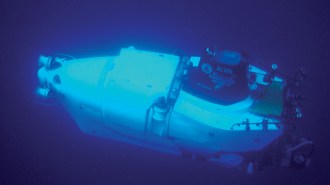
A new book explores how military funding shaped the science of oceanography
In ‘Science on a Mission,’ science historian Naomi Oreskes argues that funding from the U.S. Navy both facilitated and stymied marine research.
- Ecosystems
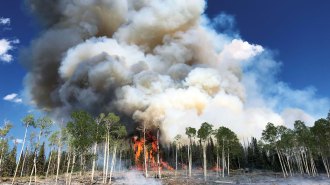
Wildfires launch microbes into the air. How big of a health risk is that?
How does wildfire smoke move bacteria and fungi — and what harm might they do to people when they get there?