Humans
We summarize the week's scientific breakthroughs every Thursday.
- Health & Medicine
HPV vaccination not linked to multiple sclerosis
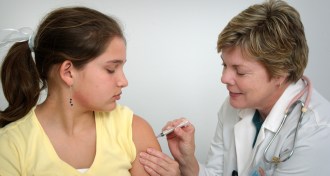
Getting vaccinated against human papillomavirus, or HPV, is not associated with developing multiple sclerosis or similar diseases, a new study shows.
- Archaeology
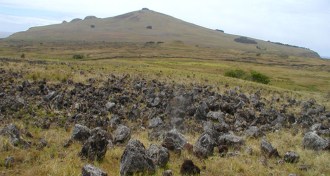
Stones challenge dating of Easter Island collapse
Despite losing ground in some areas, Polynesian farmers outlasted European contact.
- Life
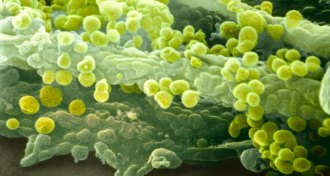
Cold coddles colds
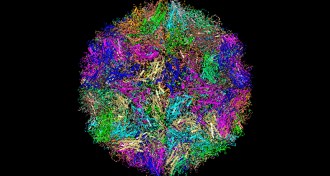
Antiviral responses aren’t as effective against common cold viruses in cooler temperatures.
- Health & Medicine
‘AIDS’ gives inside view of science, politics of epidemic
In ‘AIDS Between Science and Politics,’ pioneering HIV expert Peter Piot discusses the factors and events that shaped the epidemic.
- Psychology
‘Survival of the Nicest’ demonstrates altruism all around
Selfishness is not the rule in human society, new book argues.
-
- Health & Medicine
A bilingual brain is prepped for more than a second language
Bilingual and multilingual people make efficient decisions on word choices, neural exercise that may protect the aging brain.
- Health & Medicine
Priming the elderly for flu shots
A drug that shuts down a potent signaling molecule in cells might boost protection elicited with flu vaccination, a study finds.
- Humans
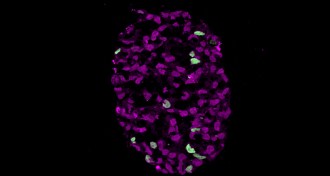
Precursors of human sperm and eggs made from stem cells
Reprogrammed adult human cells can produce germ cells, precursors of sperm and eggs.
- Health & Medicine
Online favorites of 2014
Science News' website traffic reveals the most-read news stories and blog posts of 2014.
- Life
Hydrogen sulfide offers clue to how reducing calories lengthens lives
Cutting calories boosts hydrogen sulfide production, which leads to more resilient cells and longer lives, a new study suggests.
- Animals
The scent of a worry
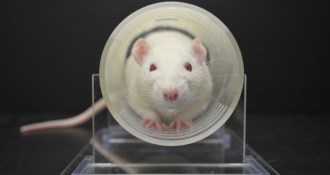
The smell of fear makes other rats stressed. Now, scientists have isolated the Eau de Terror that lets rats communicate their concerns.