Life
We summarize the week's scientific breakthroughs every Thursday.
- Physics
Pentaquarks, locked-in syndrome and more reader feedback
Readers discuss pentaquark sightings, delightful diatoms and whether an ancient four-legged fossil was actually a snake.
- Genetics
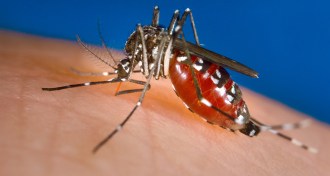
Asian tiger mosquito genome sequenced
Researchers have sequenced the genome of the Asian tiger mosquito, a stealthy invasive species and carrier of tropical diseases.
- Animals
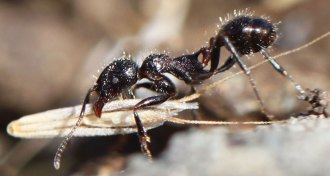
How architecture can make ants better workers
The right nest architecture can make harvester ants better at their job, new research shows.
- Animals
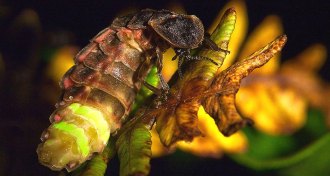
For glowworms, the brightest girls get the guy
Brighter female glowworms attract more mates and lay more eggs than their dimmer peers.
- Neuroscience
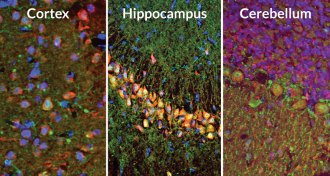
Nets full of holes catch long-term memories
Tough structures that swaddle nerve cells may store long-term memories.
- Neuroscience
Sex influences ability to assess crowd’s emotion
New analyses explain how people detect an angry mob or a happy party.
- Neuroscience
High-fat diet’s negative effect on memory may fade
Brain may find way to compensate for memory impairments linked to high-fat diets, study in rats shows.
- Paleontology
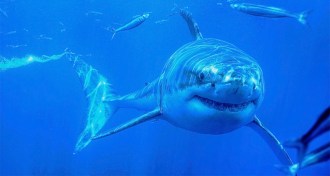
300 million-year-old giant shark swam the Texas seas
Fossil find shows oldest known ‘supershark,’ about the size of a limo, prowled the ocean 300 million years ago.
- Health & Medicine
Hollywood-made science documentary series comes to TV
Breakthrough series gives a closer look at scientists at work.
- Animals
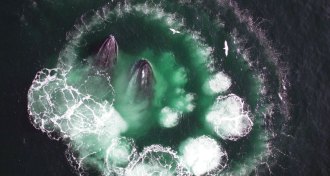
‘Whalecopter’ drone swoops in for a shot and a shower
Whale biologists are monitoring the health of whales using drones that snap photos and then swoop in to sample spray.
- Climate
Climate change could shift New England’s fall foliage
Climate change could make for earlier or later fall color, depending on where you live in New England.
- Neuroscience
Multitaskers do worse on tasks that require focus
Multitasking is more likely to impair teens’ focusing ability than improve it, study testing attention skills finds.