Neuroscience
- Neuroscience
Cocaine addicts can’t kick other habits either
Habitual users tend to get stuck in nondrug-related habits more easily, too, pointing to a potential strategy for treatment
-
- Neuroscience
Abnormal sense of touch may play role in autism
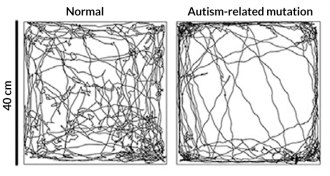
Autism-related genes are important for touch perception, a sense that may help the brain develop normally, a study of mice suggests.
- Neuroscience
Morphine may make pain last longer
Instead of busting pain, morphine lengthened the duration of pain in rats with a nerve injury.
- Neuroscience
Alzheimer’s culprit may fight other diseases
A notorious Alzheimer’s villain may help bust microbes.
- Neuroscience
Wiping out gut bacteria impairs brain
Antibiotics that wiped out gut bacteria curbed brain cell production in mice, a new study finds.
- Health & Medicine
Math offers new view of brain and its disorders
Editor in chief Eva Emerson discusses new insights into the brain's role in mental illness, sleep, and ancient rituals.
- Neuroscience
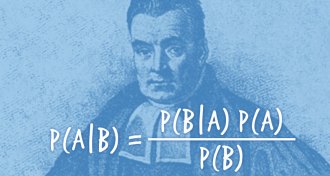
Bayesian reasoning implicated in some mental disorders
An 18th century math theory may offer new ways to understand schizophrenia, autism, anxiety and depression.
- Neuroscience
Brain waves in REM sleep help store memories
Mice with disturbed REM sleep show memory trouble.
- Neuroscience
Social area of the brain sets threat level of animals
How people perceive an animal’s danger level is encoded in a particular wrinkle of cortex, a brain scan study suggests.
- Neuroscience
A breakdown product, not ketamine, may ease depression
Ketamine’s breakdown product, not the drug itself, eases depression, a mouse study suggests.
- Neuroscience
Evidence conflicts on iron’s role in Parkinson’s disease
Experiments yield conflicting results about whether vulnerable nerve cells have too much or too little iron.