Health & Medicine
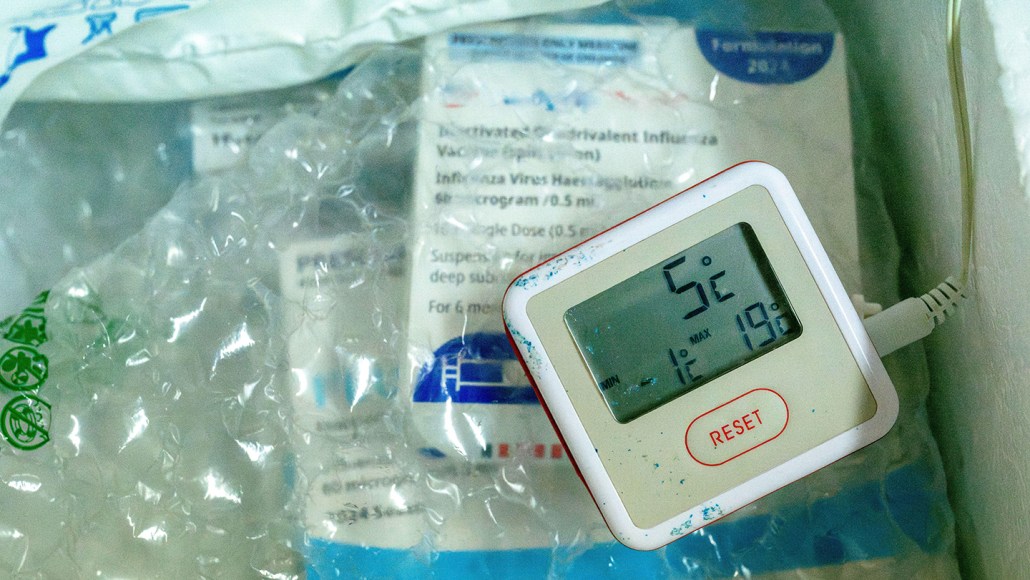
No refrigerator, no problem. This experimental vaccine doesn’t need it.
In early trials, a new vaccine that didn’t require refrigeration still protected against tetanus and diphtheria.
By Sahas Mehra
We summarize the week's scientific breakthroughs every Thursday.
Getting more protein has been all the rage. In sedentary people, that advice could accelerate aging.
A chat with aged avatars of future selves can guide people paralyzed by tough decisions. The question is what information to feed the bots.
A few millennia ago, people worldwide may have spoken or signed up to 10 times as many languages as they do today.
Shigella causes about 450,000 U.S. infections each year. An experimental oral vaccine protected adults in a small human trial.
Biological anthropologist Fatimah Jackson is leading an effort to prevent history from repeating.
In sci-fi, AI can navigate the unknowns and — ideally — keep human travelers safe. But it’s not intelligent enough to do that yet.
Proposed federal rules would rely on political appointees to decide how a lot of U.S. science gets done. History shows the consequences of such actions.
In her new book, science journalist Roberta Kwok takes readers behind the scenes to understand how researchers get nature to give up its secrets.
There’s never been a good method to check for violations of the Outer Space Treaty’s prohibition of nuclear weapons in space.