Tech
We summarize the week's scientific breakthroughs every Thursday.
- Tech
‘Rust’ chronicles humankind’s incessant battle with corrosion
‘Rust’ recounts humanity’s unending battle against corrosion, which each year costs the United States an estimated $437 billion — more than all natural disasters combined.
- Tech
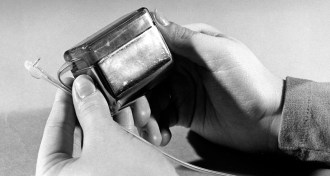
Plans fizzled for nuclear-powered artificial heart
In 1965, researchers saw a nuclear-powered heart in the future.
- Life
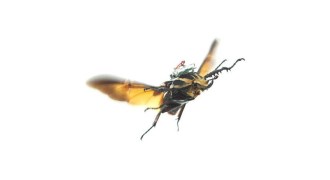
Cyborg beetles reveal secrets of insect flight
Remote controlled beetles swoop to the rescue in insect flight simulations.
- Computing
Concerns about drones, how to hunt exoplanets and more reader feedback
Readers discuss the potential impacts of human-made fliers and muse about the advantages a poker-playing computer program has over human opponents.
- Computing
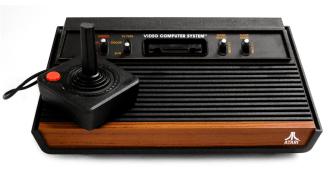
Artificial intelligence conquers Space Invaders, Pong, Q*bert
With a single algorithm, a computer can learn dozens of classic video games, researchers from Google DeepMind in London report.
- Tech
Facebook detects signs of postpartum depression
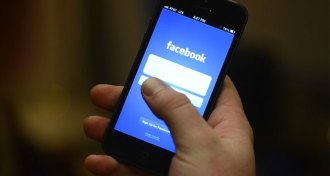
An analysis of Facebook activity can identify new moms with postpartum depression.
- Materials Science
Old chemistry gives jolt to modern batteries
Chemical reactions discovered in the 19th century improve the performance of futuristic batteries.
- Health & Medicine
Handheld device turns smartphone into diagnostic tool
A compact device can process a blood sample to diagnose HIV or syphilis when attached to a smartphone.
- Life
Fast and furious: The real lives of swallows
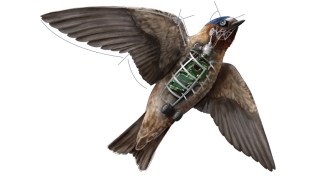
In the fields of Oregon, scientists learn flight tricks from swallows.
- Life
Flying animals can teach drones a thing or two
Scientists have turned to Mother Nature’s most adept aerial acrobats — birds, bees, bats and other animals — to inspire their designs for self-directed drones.
- Archaeology
Scrolls preserved in Vesuvius eruption read with X-rays
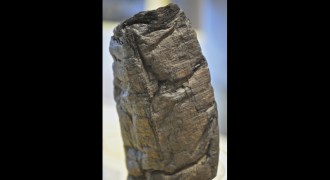
A technique called X-ray phase contrast tomography allowed scientists to read burnt scrolls from a library destroyed by the 79 A.D. eruption of Vesuvius.
- Tech
Using Facebook ‘likes,’ computer pegs people’s personalities
Using limited data from Facebook, computers can outdo humans in assessing a user’s openness, neuroticism and other personality traits.