Bt broccoli test: Refuges cut pest resistance
The first field test of a strategy for controlling insect resistance in a crop engineered to carry genes from the pesticide-producing bacterium Bacillus thuringiensis confirms the value of refuges in which some insects live without pesticide exposure.
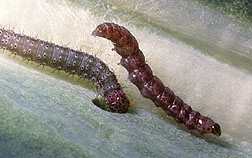
A field test with broccoli genetically engineered to make its own Bt pesticide has confirmed the value of maintaining nearby stands of the traditional crop to curb pest resistance, according to an international research team.