These are our favorite animal stories of 2025
Crafty cockatoos, extra shaggy mice and spiders with lethal puke are among the creatures that amazed us
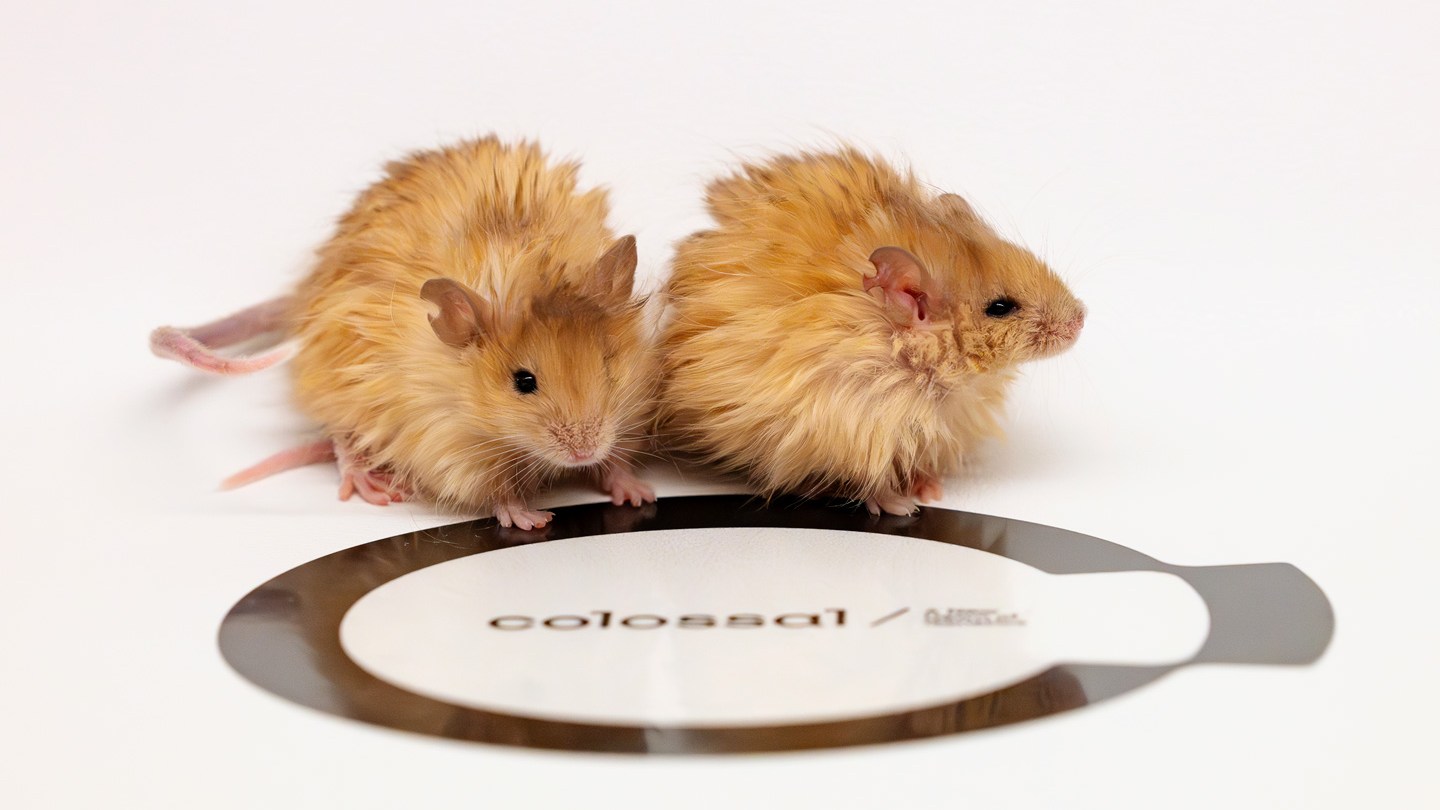
These adorably shaggy mice were gene edited to more resemble their woolly mammoth doppelgängers, including trying to give them a higher tolerance to cold temperatures.
Colossal Bioscience
From caterpillars disguised as the dead to narwhals that play with their food, here are the animal tales that we loved in 2025.
Killer vomit
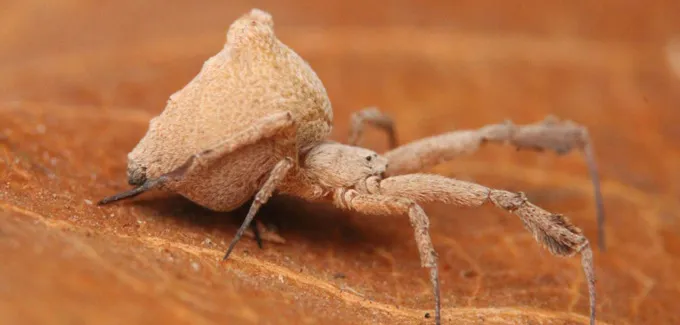
Most spiders slay their victims with venom. The feather-legged lace weaver pukes its guts out. To earn a hearty meal, Uloborus plumipes throws up toxins onto its prey. The lace weaver first wraps its catch in a thick silk bundle. Once the insect is secure, the spider slathers its dinner with toxins from tissues in its gut. The puke is powerful. The weaver’s final blow is just as fatal as the venom of the common house spider.
Hidden hybrid
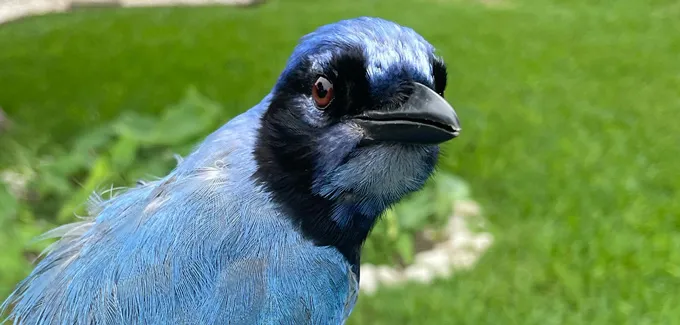
The “grue jay” is one strange bird. It has the face of a green jay. Yet its tail is team blue jay. And its call — a raucous mixtape of honking and rattling — resembles both. Evidently, the feathered oddity is a rare hybrid between the two songbirds. The tropical green jay (Cyanocorax yncas) and the North American blue jay (Cyanocitta cristata) have been evolving separately for 7 million years. But climate change and human activity recently pushed the ranges of their respective habitats closer together. The newly minted “grue jay” joins the hybrid pantheon of pizzly bears, coywolves and narlugas.
Mischievous mealtime
O’CORRY-CROWE – WATT / FAU – DFO
Fun is on the menu for narwhals (Monodon monoceros). The Arctic whales brandish their iconic tusks to poke, prod and possibly play with their prey. Researchers captured the underwater unicorns apparently amusing themselves with soon-to-be appetizers. Aerial video reveals narwhals softly swooshing their spiraled tooth against the bodies of Arctic chars (Salvelinus alpinus), bumping the fish off course. They also flipped the sea life. Researchers think it’s for entertainment. It seems the whales may crave whimsy.
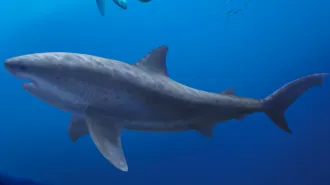
Noisy sharks
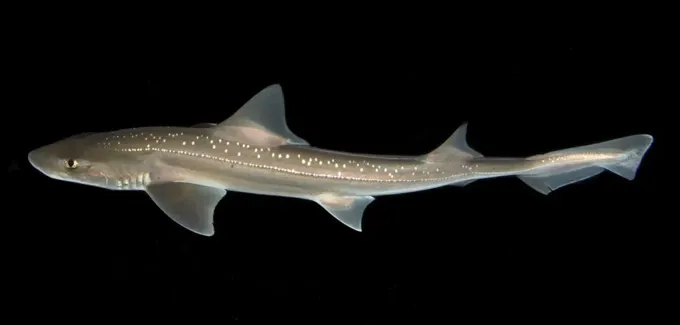
In Peter Pan, a hungry crocodile swallows a clock that “tick, tick, ticks.” The rig shark (Mustelus lenticulatus) makes a similar noise, but with its teeth. Researchers accidentally eavesdropped on the shark making a strange clicking noise in New Zealand waters. The source of the sound comes from the shark clanking its rows of short, wide teeth together. The teeth look like dragon scales and are used most often to crack open crustaceans. It’s the first time shark chatter has been caught on tape. Also known as a smooth-hound, this shark’s bark may be more impressive than its bite.
Thirst-quenching claws
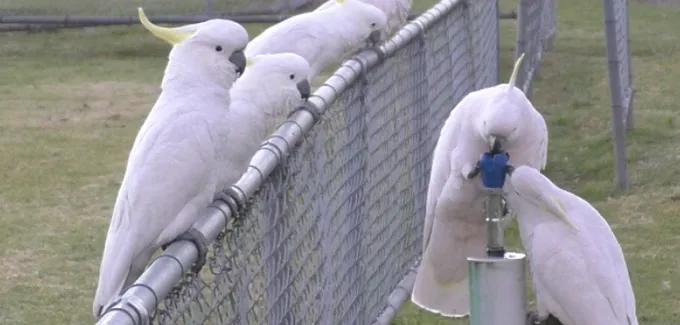
Australian cockatoos invented a new drinking culture: Streams are out. Water fountains are in. On scorching days in Sydney, clever sulfur-crested cockatoos (Cacatua galerita) flock to local drinking fountains to slurp down fresh water. They clasp the side of the basin with one foot, while expertly twisting the handle with the other. Then, the birds lean to one side, activate the spout’s steady flow, and quickly snap upright to snag a sip. Surprisingly, there’s no need for a bouncer at the popular watering hole. The parrots patiently wait up to 10 minutes for their turn to drink.
Ranging roars
The MGM lion is no stranger to Hollywood magic. Its film-opening roar belongs to a tiger. In real life, African lions’ (Panthera leo) guttural groans aren’t always showstoppers. They have a second “intermediate roar.” It’s flatter and less flashy than their recognizable full-throated roars. Researchers overlooked this subtle tone change for decades. But with the aid of artificial intelligence, a team has now decoded thousands of the big cat’s calls, sorting them into distinct categories. Turns out, the lions have a notable vocal range.
Deadly chic
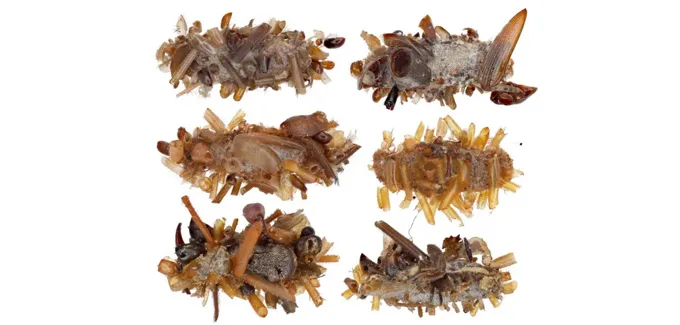
Bones are the new black. A carnivorous caterpillar, known as the “bone collector,” arms itself with insects’ body parts to sneak past spiders to raid their webs. The caterpillar yanks heads, legs and wings from spiders’ leftover meals. Then, it fashions the remains into an outfit. While dressed as the dead, the caterpillar goes incognito, its scent masked, as it steals bugs captured in the spider’s web.
Woolly mice
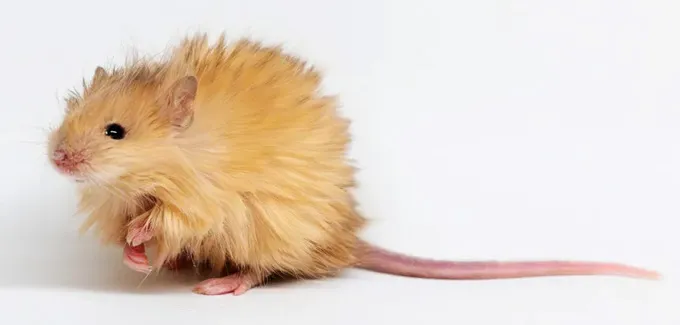
This mouse is so woolly mammoth coded — literally. Scientists edited seven genes to give mice thick shaggy fur resembling that of a woolly mammoth. The team also tinkered with traits so that the mouse became more resilient to frigid conditions. Some say it’s a big step in the effort to resurrect the mammoth. But there’s still a long way to go before the giant woollies walk among us. Scientists debate whether the strategy would work in Asian elephants, the mammoth’s close genetic relative, or if bringing back the beast would even make sense in a modern warming world. But we can probably agree on this: Woolly mice are stinking cute! Even the most skeptical may be tempted to have the rodent as a cuddly pet.