Have a taste of our favorite food stories from 2025
Whether you’re human or Neandertal, science cooked up some interesting culinary coverage
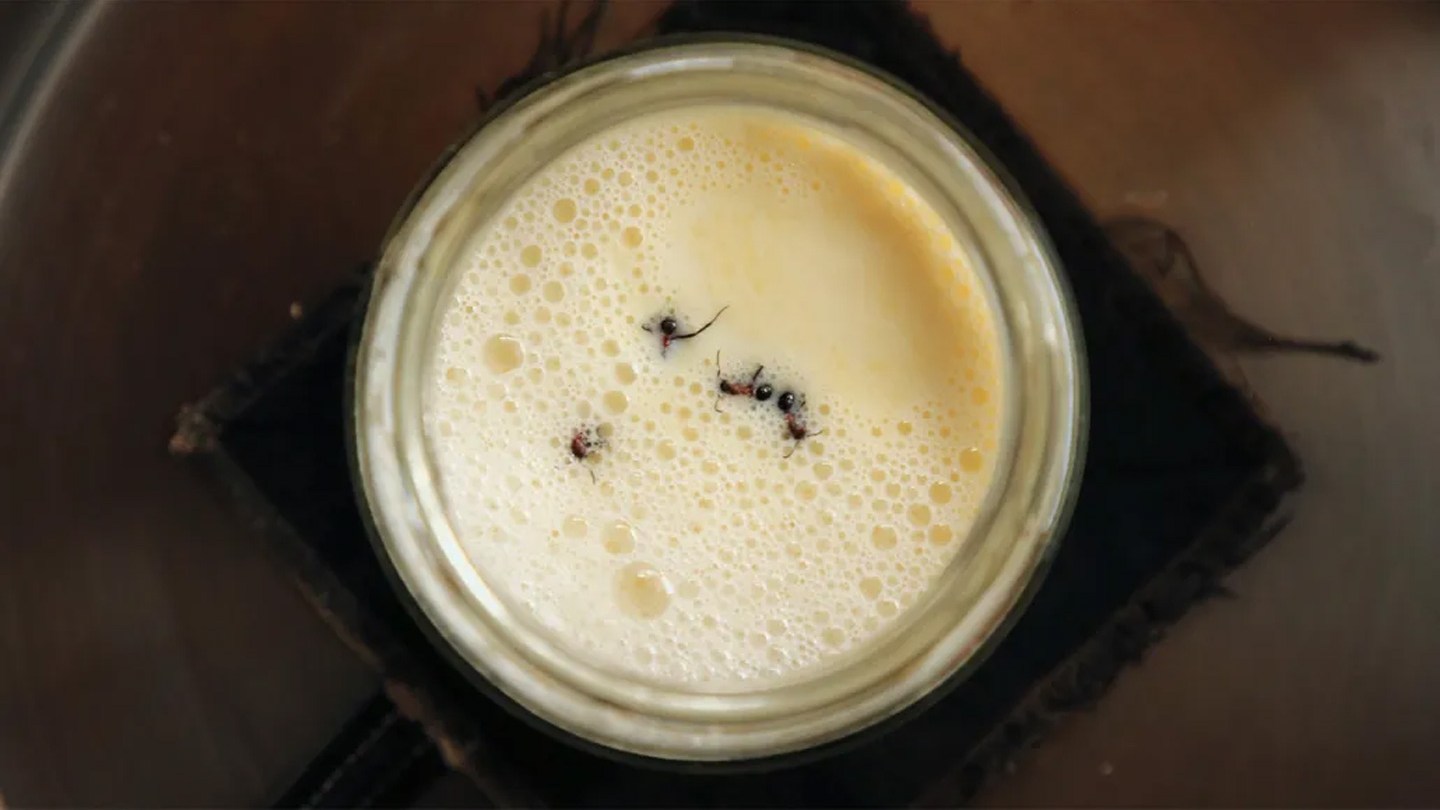
Adding four ants to a jar of warmed cow’s milk is a traditional method of making yogurt once popular in Bulgaria and Turkey. Bacteria living on ants, as well as the ants themselves, acidify and thicken the milk into a tangy treat.
David Zilber
With concoctions including space miso and ant yogurt, science blurred the lines between lab and kitchen in 2025.
Ant yogurt
Ants might finally be welcomed at the picnic table. Red wood ants have a secret ingredient that turns ordinary milk into lip-smacking yogurt. Acid-producing bacteria living on Formica rufa and F. polyctena help thicken and acidify milk in a method once popular in parts of Bulgaria. Antsy to test the recipe, researchers plopped four of the insects into a jar of raw cow’s milk. Then, the team entombed the jar in an anthill. The bustling colony heated the mixture, aiding fermentation and transforming the liquid overnight into into a tangy cream. Still, the idea of scurrying sous-chefs might bug some people.
Curious cutting

Physics taught us how to cut the cheese. When shaved, monk’s head cheese resembles the ruffled hemlines of flamenco dancers’ skirts. The key is a specialized blade. As it rotates around the rind, the tool’s edge compresses the Swiss and creates friction. The cheese becomes more compact in the middle, creating a strip that’s shorter toward the center and longer at the perimeter. The length mismatch causes the ornate hors d’oeuvre’s extra-long bits to curl.
To dam unwanted waterworks, scientists also took a stab at understanding the physics of onion chopping. Researchers found that cutting the vegetable slowly and with a sharper knife minimizes the onion’s output of tear-inducing droplets. The technique might help home chefs keep their eyes dry.
Taste of space
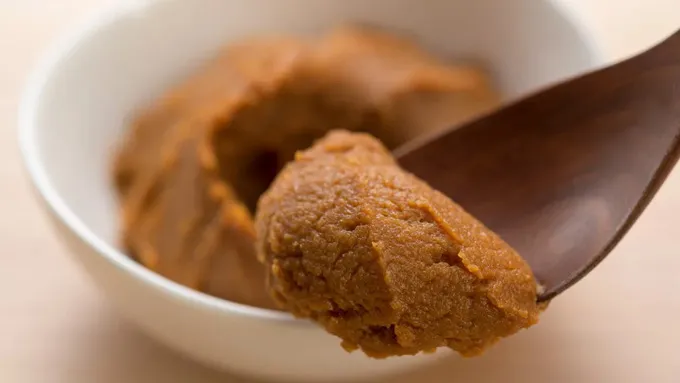
To fiddle with miso’s flavor, scientists launched it into space. The popular Japanese soy-based paste fermented aboard the International Space Station, enhancing its taste. It’s the first time food has been intentionally fermented in orbit. Fourteen people tasted the space miso upon its return. Compared to two earthbound versions, the interstellar condiment exhibited nuttier undertones. The results blast snacks into tasty new terrain, and offer an alternative way to potentially preserve food amongst the stars.
Maggots on the menu

Today, spoiled meat goes straight into the trash. For Neandertals, who may have munched on maggots, it could have signaled mealtime. This year, scientists proposed that the plump grubs were a dietary staple for the hominids, presenting an answer to an ancient nutritional mystery. Neandertals didn’t exclusively eat meat, but their bones show a chemical trace usually associated with strict carnivores. The missing piece seemed to be wriggling under researchers’ noses: Maggots are chock-full of the same compound.
Dietary directives
Looking for a new doctor repellant? Swap out that daily apple for chickpeas. Incorporating a cup of chickpeas a day reduces cholesterol in people with prediabetes, researchers reported in June. The legumes lowered higher cholesterol levels to healthy ranges.
In other dietary deep dives, scientists revealed a common dining pitfall: Five key nutrients are often left off dinner plates in the United States. They’re not easy to replace — reliable supplements aren’t available for all five. Researchers say to gain neglected nourishment, eating a variety of nutrient-rich foods is a better way to whet your appetite.
Exquisite eggs
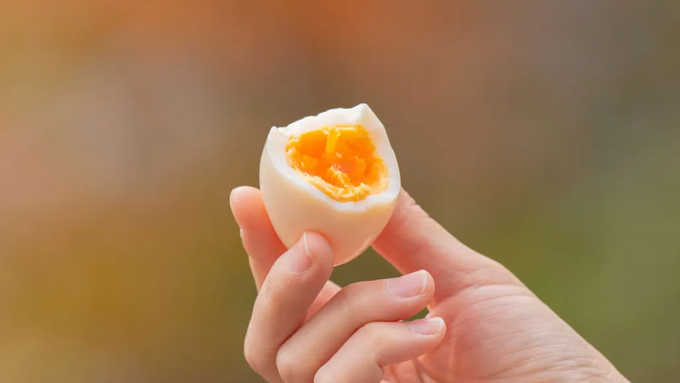
Boiled eggs aren’t always all they’re cracked up to be. It’s tricky to cook the whites and the yolks, which usually firm up at different temperatures, to the same consistency. Scientists in Italy poached a technique from plastics research to upgrade a mediocre meal to excellence. Periodically switching eggs between two temperatures results in what they’ve deemed the perfect bite. First, dunk the egg in a pot of boiling water. Two minutes later, plop it into room temperature water, continuing to move the egg between the temperatures every two minutes. Do this exactly 8 times and you’ll be coming back for seconds.