463 results
463 results for: Dolphins
-
Dolphins may seek selves in mirror images
Dolphins apparently recognize their own reflections.
- Earth
A dietary cost of our appetite for gold
This Mothers Day, many moms will find their brood and mates proffering glittering booty: sparkling necklaces, earrings, bracelets, brooches, and rings fashioned in whole or in part of gold. There may also be gilded plates, glasses, and grandmas favorite–fragile, matched sets of hand-painted tea cups and saucers. As women admire these tokens of their loved […]
- Paleontology
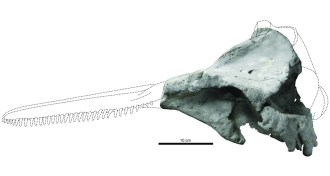
Oldest true dolphin species gets a new name
A dolphin species first described in the 1970s has gotten a new name but still retains the title of oldest true dolphin species identified to date.
- Oceans
Dusk heralds a feeding frenzy in the waters off Oahu
Even dolphins benefit when layers of organisms in the water column overlap for a short period.
- Animals
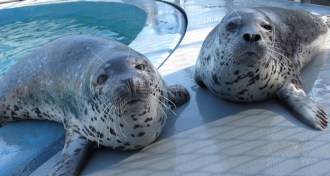
Spotted seals hear well in and out of water
Spotted seals, native to the northern parts of the Pacific, hear frequencies that may mean they are susceptible to the effects of anthropogenic noise.
- Animals
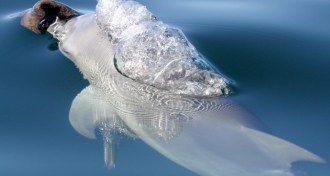
Dolphins use sponges to dine on different grub
The animals can learn to use tools to exploit food sources that would be otherwise unavailable, a study suggests.
- Animals
Sponge Moms: Dolphins learn tool use from their mothers
Dolphins that carry sponges on their beaks while looking for food may have learned the trick from their mothers instead of just inheriting a sponge-use gene.
-
Sleepless in SeaWorld: Some newborns and moms forgo slumber
Orca-whale and dolphin babies and their mothers appear to skip sleep for as long as a month after the pups' birth.
-
Reflections of Primate Minds: Mirror images strike monkeys as special
Capuchin monkeys don't react to their own mirror images as they do to strangers, perhaps reflecting an intermediate stage of being able to distinguish oneself from others.
- Genetics
DNA changes may show how whales adapted to water
Comparing the genetic material of whales has revealed DNA changes that may have helped the animals adapt to aquatic environments.
- Animals
A gory 12 days of Christmas
Insects and spiders are among the biggest gift-givers, often as part of mating, and anything from cyanide to a wad of saliva can be a present.
-
Extinct ocean reptiles now appear in color
Fossilized turtle, mosasaur and ichthyosaur tissue holds skin pigments that give scientists clues about what the animals looked like and how the coloration may have helped in colder climates.