463 results
463 results for: Dolphins
- Animals
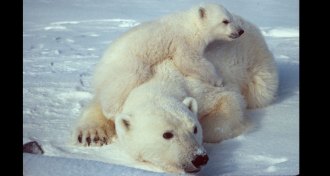
Animal moms sacrifice a lot — sometimes even themselves
In the animal kingdom, there are bad mothers and good ones — and then there are those that let their kids eat them.
- Environment
Five years on, Deepwater Horizon oil spill’s impact lingers
Five years after the Gulf of Mexico’s largest disaster, researchers are still studying its ecological impact and struggling to learn the fate of most of the spilled oil.
- Paleontology
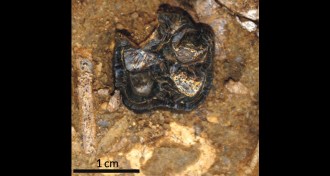
Hippo history extracted from fossil teeth found in Kenya
Fossilized teeth from the newly identified Epirigenys lokonensis, an ancestor of the hippopotamus, are filling in some of the mammoth mammal’s history.
- Animals
‘The Cultural Lives of Whales and Dolphins’ offers window into cetacean societies
Dolphins and whales pass cultural knowledge to one another, the authors of a new book argue.
- Genetics
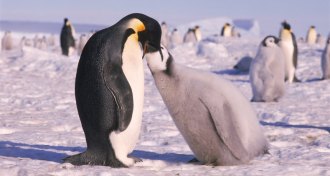
For penguins, it’s a matter of no taste
Penguins lack taste genes for bitter, sweet and umami.
- Animals
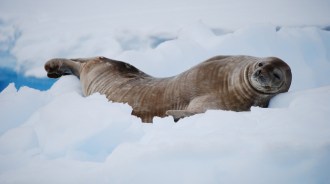
Diving marine mammals take deep prey plunges to heart
In spite of their diving prowess, Weddell seals and bottlenosed dolphins experience irregular heart rates when they venture beyond 200 meters under the sea.
- Animals
It’s bat vs. bat in aerial jamming wars
In nighttime flying duels, Mexican free-tailed bats make short, wavering sirenlike sounds that jam each other’s sonar.
- Animals
Dolphins appear to perceive magnetic fields
Bottlenose dolphins take less time to start exploring a magnetized block, suggesting they can sense magnetic fields.
- Animals
New dolphin species gets a name
A species of humpback dolphin from Australia has now received its proper name.
- Animals
Dolphins and whales may squeal with pleasure too
Dolphins and whales squeal after a food reward in about the same time it takes for dopamine to be released in the brain.
- Psychology
Walking in sync makes enemies seem less scary
Men who walk in sync may begin to think of their enemies as weaker and smaller, a new study suggests.
- Paleontology
3-D scans reveal secrets of extinct creatures
Paleontologists can dig into fossils without destroying them and see what’s inside using 3-D scanning. What they’re learning helps bring the past to life.