5,553 results
5,553 results for: Forests
- Life
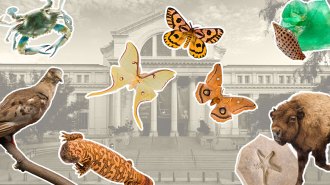
The natural history of every U.S. state is on display at a new D.C. exhibit
The Smithsonian Natural History Museum’s latest exhibit, “From These Lands,” connects visitors with America’s natural history.
- Climate
Antarctic plants may face a growing fungal threat from warming soils
Soil DNA from Chile to the Antarctic Peninsula ties warmer climates to more plant fungal pathogens, with abundance projected to double by 2100.
- Plants
Giant trees have tricks to work around drought
Samples collected at daring heights provide evidence for an untested theory of tree drought adaptation, while countering another.
- Animals
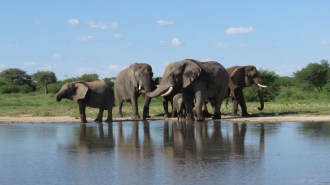
Elephants can relearn how to live wild after years in captivity
Researchers documented behavioral similarities between 11 rehabilitated elephants and their wild counterparts.
- Anthropology
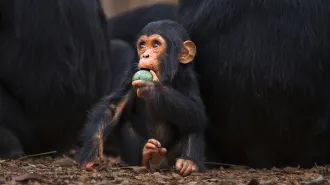
Sugar may have been a key ingredient in human evolution
A sweet tooth for sugars from fruits and honey may have helped fuel brain growth in our primate cousins and early human ancestors, a new study suggests.
- Animals
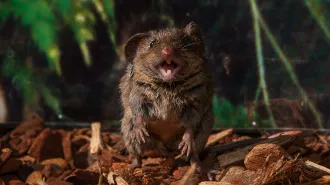
Singing mice puff up air sacs to make their sweet songs
To serenade with their high-pitched songs, singing mice inflate a throat sac — a use for air sacs seemingly unknown in any other animal.
- Environment
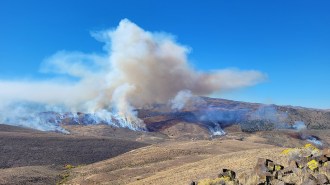
A fire’s rumble reveals where it’s burning
Researchers tracked a prescribed grassland fire using infrasound, sound waves pitched too low for people to hear.
- Climate
Hidden tree bark microbes munch on important climate gases
Trees are known for absorbing CO2. But microbes in their bark also absorb other climate-active gases, methane, hydrogen, and carbon monoxide.
- Animals
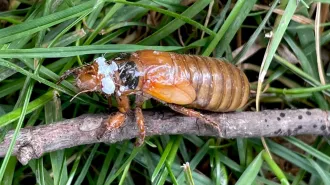
To climb trees, cicadas look to the shadows
Tree-climbing cicadas find their perches by looking for patches of darkness, a strategy known as skototaxis.
- Animals
Animal personalities can play a big role in saving species
From bold foxes to gregarious birds, animals’ personalities are increasingly being seen as crucial to conservation efforts.
- Animals
Is camouflage better than warning colors? For insects, it depends
The effectiveness of camouflage or warning colors for insect defense depends on conditions such as light levels and how many predators are around.
- Archaeology
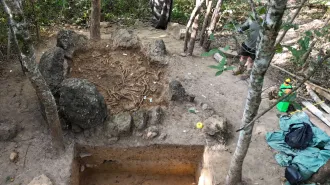
A ‘jar’ jammed with human bones may solve Laos’ ‘Plain of Jars’ mystery
The remains of at least 37 people in an ancient stone 'jar' in northeastern Laos suggest that thousands similar jars were used in burials.