Chemistry
We summarize the week's scientific breakthroughs every Thursday.
- Chemistry
Mussels use chemical primer to cement themselves to rocks
Gluing proteins contain their own built-in primer.
- Chemistry
Plants’ ‘don’t-eat-me’ chemicals no problem for earthworms
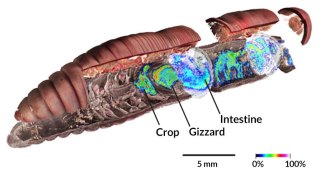
Newly discovered gut compounds called drilodefensins allow earthworms to pack in plant debris loaded with hazardous chemicals.
- Climate
Carbon dating may soon lead to mismatches
Carbon released from burning fossil fuels will jeopardize the effectiveness of many carbon dating applications, new research predicts.
- Chemistry
Biology may provide just the right chemistry for new drugs
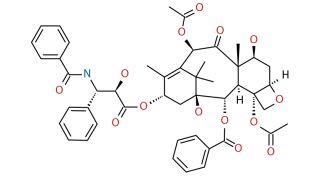
Using enzymes and microbes to make new drugs may help revive the pharmaceutical industry.
- Chemistry
Missing enzyme to blame for scentless roses
The unusual enzyme behind roses’ sweet smell may help researchers revive the flower’s potent aroma.
- Environment
Mystery toxins in tainted New Zealand honey nabbed
Sweet and stealthy toxins have been caught sticky-handed, potentially solving a decades-long mystery of tainted honey in New Zealand.
- Chemistry
Quantum chemistry may be a shortcut to life-changing compounds
Quantum chemistry could launch a manufacturing revolution, helping to identify materials for improved solar cells, better batteries or more effective medicines.
- Plants
Fifty years ago, ethylene research ripened
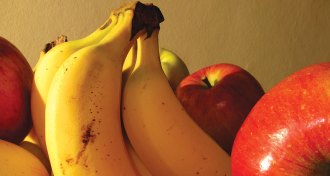
In 1965, scientists realized ethylene was the molecule that ripens fruit.
- Oceans
Mysterious form of phosphorus explained
Mysterious form of phosphorus may be used as shadow currency by marine microbes, potentially upending scientists’ understanding of nutrient exchanges.
- Chemistry
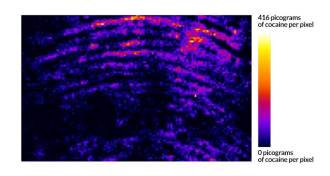
Fingerprints give away more than identity
Scientists can now detect and measure the amount of illegal drugs, such as cocaine and heroin, on a lone fingerprint.
- Chemistry
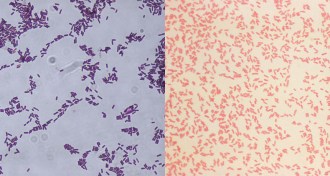
Bacteria staining method has long been misexplained
New research upends what scientists know about a classic lab technique, called gram staining, used for more than a century to characterized and classify bacteria.
- Chemistry
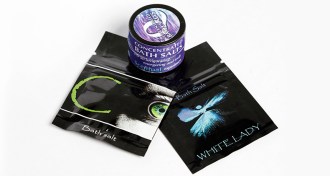
Designer drugs hit dangerous lows to bring new highs
A surge in designer drugs, which emulate the highs of classic illicit substances with unpredictable effects, is keeping law enforcement busy.