Space
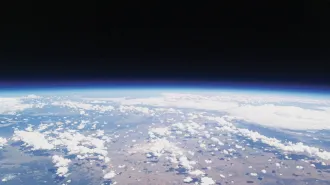
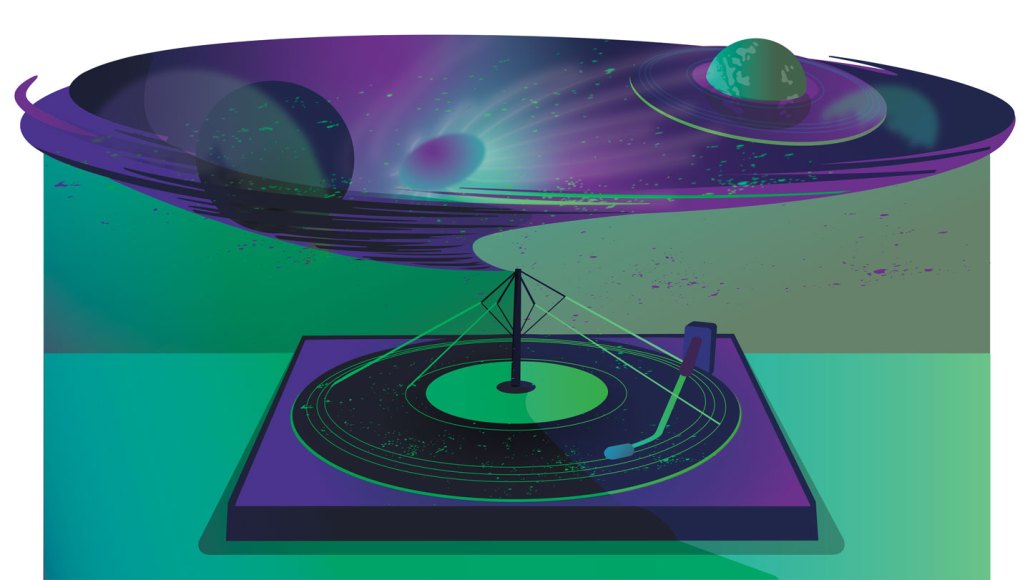
Otherworldly music albums feature space weather data
A science-art team uses research data to make music featuring sounds of Antarctica and outer space
We summarize the week's scientific breakthroughs every Thursday.
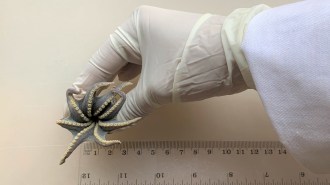
The deep-sea octopus is fully mature despite fitting in a palm, a trait researchers think may help it reproduce faster than larger relatives.
The cold-loving yeasts from Ötzi’s remains suggest the Iceman’s microbiome may not be completely frozen in time.
The South Pacific blast may have consumed its own methane — but using this idea against the greenhouse gas is controversial.
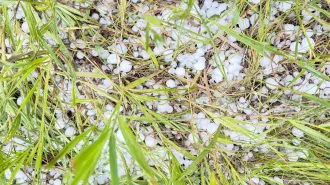
A global model suggests that climate change could make hailstones larger and more damaging in many regions, especially at mid-to-high latitudes.
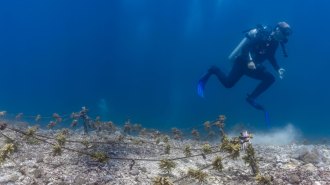
Hours of diving videos and hundreds of survey responses reveal the common diver mistakes that can cause irreversible reef damage.
Differences in how the pyramid and surrounding soil vibrate, along with design choices, have protected the structure from earthquakes.
An ocean current called the Atlantic Meridional Overturning Circulation will weaken by 50 percent by 2100. The question is what to do about it.
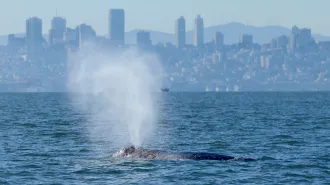
An AI trained to use thermal images to detect whale body heat could help warn ships at risk of colliding with the marine mammals.
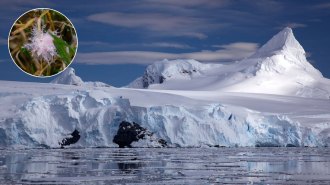
Soil DNA from Chile to the Antarctic Peninsula ties warmer climates to more plant fungal pathogens, with abundance projected to double by 2100.