Earth
We summarize the week's scientific breakthroughs every Thursday.
- Oceans
These ancient seafloor microbes woke up after over 100 million years
Scientists discover that microbes that had lain dormant in the seafloor for millions of years can revive and multiply.
- Earth
COVID-19 lockdowns dramatically reduced seismic noise from humans
Human-caused seismic activity was reduced by as much as 50 percent around the globe during lockdowns as a result of the coronavirus pandemic.
- Microbes
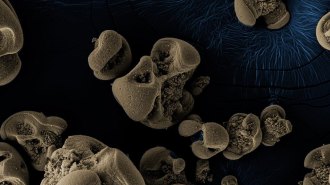
Scientists stumbled across the first known manganese-fueled bacteria
A jar left soaking in an office sink helped scientists answer a century-old question of whether bacteria can use manganese for energy.
- Physics
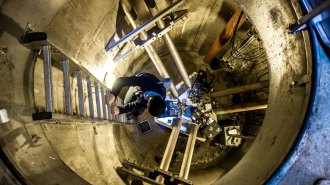
A giant underground motion sensor in Germany tracks Earth’s wobbles
A giant underground gyroscope array has taken its first measurements of how the world goes ’round.
- Earth
An asteroid impact, not volcanism, may have made Earth unlivable for dinosaurs
New simulations add to growing evidence that an asteroid strike, rather than the Deccan Traps eruptions, caused the end-Cretaceous extinction.
- Climate
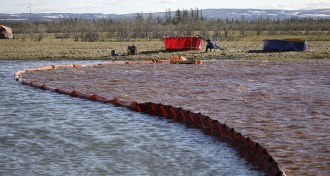
Climate change made Siberia’s heat wave at least 600 times more likely
Siberia’s six-month heat wave during the first half of 2020 would not have happened without human-caused climate change, researchers find.
- Earth
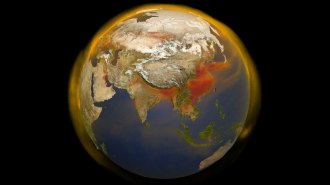
Agriculture and fossil fuels are driving record-high methane emissions
Releases of the heat-trapping gas methane from human activities have ramped up in the 21st century, especially in Africa and Asia.
- Earth
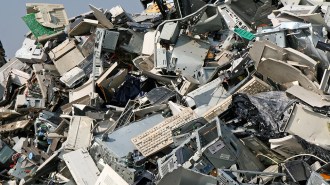
Earth’s annual e-waste could grow to 75 million metric tons by 2030
Unwanted electronic waste is piling up rapidly around the globe, while collection and recycling efforts are failing to keep pace, a new report shows.
- Climate
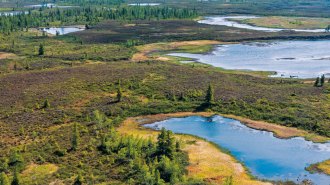
4 ways to put the 100-degree Arctic heat record in context
June’s record heat in Siberia is part of a much bigger picture of dramatic climate change in the Arctic.
- Earth
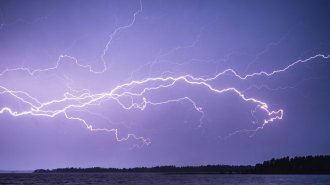
Two lightning megaflashes shattered distance and duration records
Satellite data show that the two extreme bolts, both appearing over South America, more than doubled the previous records.
- Climate
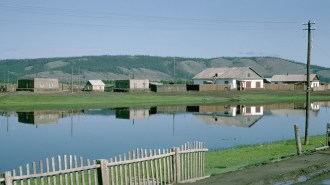
A Siberian town hit 100 degrees, setting a new record for the Arctic Circle
Verkhoyansk’s high temperature, which has yet to be confirmed, follows a six-month period of record heat in the region.
- Tech
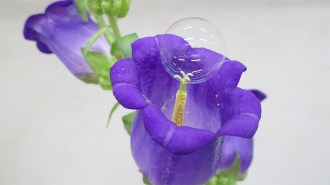
Bubble-blowing drones may one day aid artificial pollination
Drones are too clumsy to rub pollen on flowers and not damage them. But blowing pollen-laden bubbles may help the machines be better pollinators.