Environment
- Animals
Fake fog, ‘re-skinning’ and ‘sea-weeding’ could help coral reefs survive
Coral reefs are in global peril, but scientists around the world are working hard to find ways to help them survive the Anthropocene.
- Animals
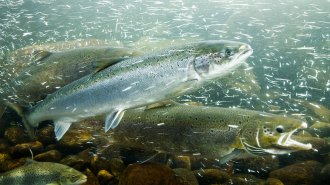
Pumping cold water into rivers could act as ‘air conditioning’ for fish
Hundreds of salmon, trout and other fish sought shelter from summer heat in human-made shelters, suggesting a way to help fish adapt to river warming.
- Climate
Róisín Commane sleuths out greenhouse gas leaks to fight climate change
From New York City to the Arctic, atmospheric chemist Róisín Commane tries to account for the greenhouse gases in the air.
- Animals
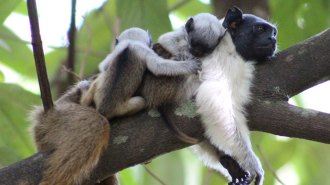
In noisy environs, pied tamarins are using smell more often to communicate
Groups of the primate, native to Brazil, complement vocalizations with scent-marking behavior to alert other tamarins to dangers in their urban home.
- Climate
‘Our Fragile Moment’ finds modern lessons in Earth’s history of climate
Michael Mann’s latest book, Our Fragile Moment, looks through Earth’s history to understand the current climate crisis.
- Earth
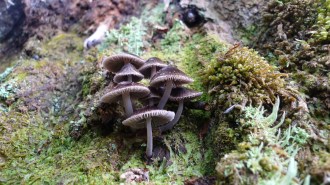
When discussing flora and fauna, don’t forget ‘funga’
Conservation efforts often overlook fungi. That can change by using “mycologically inclusive language,” researchers say.
- Earth
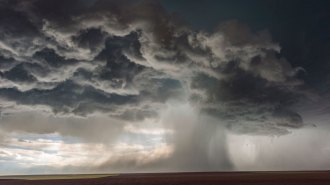
How thunderstorms can spawn damaging ‘downbursts’
Powerful winds called downbursts are not the same as a tornado, but the damage they cause can be similar — and can hit with little warning.
- Chemistry
Chemists turned plastic waste into tiny bars of soap
Researchers developed a process to turn plastic waste into surfactants, the key ingredients in dozens of products, including soap.
- Climate
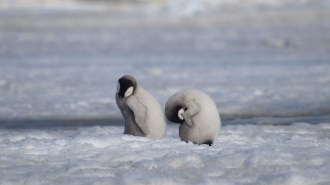
Emperor penguins lost thousands of chicks to melting ice last year
In 2022, groups of emperor penguins in western Antarctica lost almost all their chicks to receding sea ice, signaling the threat of climate change.
- Climate
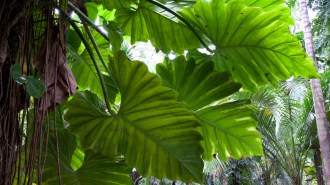
Some leaves in tropical forests may be getting too hot for photosynthesis
Climate change may be forcing some tropical leaves to stop photosynthesis and die. It’s still unclear what effect this will have on entire forests.
- Chemistry
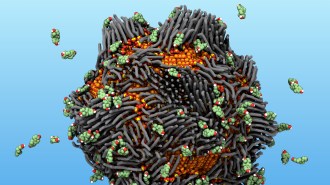
Magnetic ‘rusty’ nanoparticles pull estrogen out of water
Iron oxide particles adorned with “sticky” molecules trap estrogen in water, possibly limiting the hormone’s harmful effects on aquatic life.
- Environment
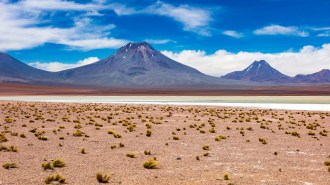
The most intense sunlight on Earth can be found in the Atacama Desert
On the Chilean Altiplano plateau, every square meter of the ground receives, on average, more solar power than Mount Everest and occasionally almost as much as Venus.