Genetics
- Anthropology
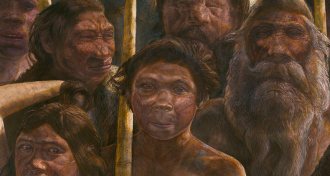
Ancient DNA reveals who is in Spain’s ‘pit of bones’ cave
Ancient DNA shows Neandertals lived in northern Spain 430,000 years ago; the early date raises new questions about Neandertals’ origins.
- Health & Medicine
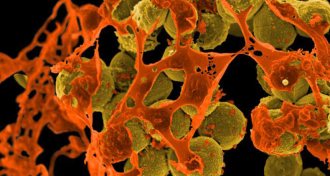
Molecules found to counter antibiotic resistance
Molecules made in a lab can foil antibiotic resistance in bacteria.
- Genetics
Missing genes not always a problem for people
Humans have ways to make up for missing genes, study suggests.
- Genetics
‘Selfish’ DNA flouts rules of inheritance
R2d2 is selfish DNA that could skew scientists’ views of adaptation and evolution.
- Genetics
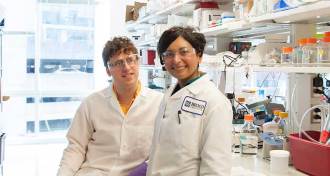
Prion disease gets personal
Diagnosis of a brain-wasting disease drove a married couple into science.
- Genetics
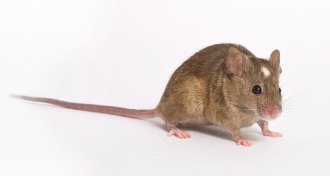
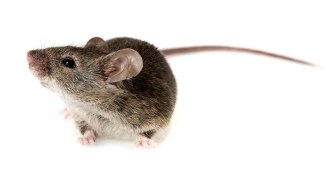
Dads pass health effects of stress on to sons, mouse study finds
In mice, males exposed to repeated psychological stress developed high blood sugar — and so did their unstressed male offspring.
- Health & Medicine
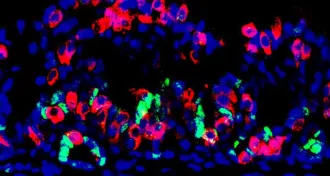
Mini-stomachs brew insulin in mice
Scientists transform stomach cells into insulin factories and grow mini-stomachs for diabetic mice.
- Humans
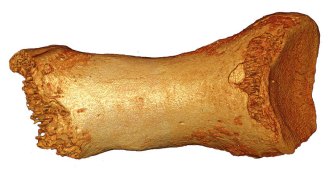
Human DNA found in a Neandertal woman
Interbreeding between humans and Neandertals happened earlier than thought, leaving traces in the Neandertal genome.
- Environment
Vaping linked to host of new health risks
Animal studies and analyses of gene activity point to broad range of potential new health risks from vaping affecting everything from sperm to heart and immunity to mental health.
- Genetics
Neandertal DNA may raise risk for some modern human diseases
Neandertal DNA may once have helped humans, but now may contribute to disease.
- Science & Society
‘GMOs’ isn’t a four-letter word, but it is hard to define
The definition of what constitutes a genetically modified organism is a challenge to those tasked with developing standards for labeling foods that contain GMOs.
- Science & Society
‘Three-parent babies’ are ethically permissible, U.S. panel says
A panel of experts concludes that clinical experiments that create “three-parent babies” are ethical, with limits.