Humans
We summarize the week's scientific breakthroughs every Thursday.
- Health & Medicine
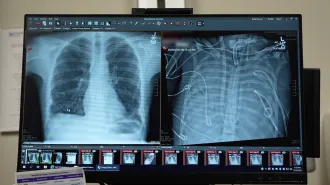
Artificial lungs kept a man alive until he could get a transplant
A new artificial lung system might keep people without lungs alive for weeks. Like real lungs, tubes and pumps oxygenate blood and maintain blood flow.
- Anthropology
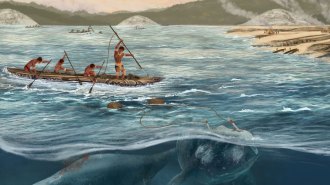
Whaling may have started 1,500 years earlier than already known
Specialized whale-bone harpoons from southern Brazil dating back 5,000 years suggest that Indigenous groups in the area were whalers.
- Genetics
AI tool AlphaGenome predicts how one typo can change a genetic story
The tool helps scientists understand how single-letter mutations and distant DNA regions influence gene activity, shaping health and disease risk.
- Health & Medicine
What the new nutrition guidelines get wrong about fat
New U.S. dietary guidelines promote eating full-fat foods and meats. But experts say nuts and seed oils are better sources of the two crucial fats we need.
- Health & Medicine
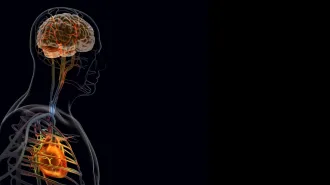
The brain’s response to a heart attack may worsen recovery
In mice, blocking heart-to-brain signals improved healing after a heart attack, hinting at new targets for cardiac therapy.
- Archaeology
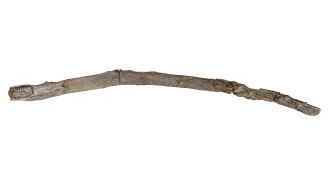
This ancient stick may be the world’s oldest handheld wooden tool
These 430,000-year-old wooden tools from Greece are a rare find and provide a glimpse at the technical know-how of our early human ancestors.
- Health & Medicine
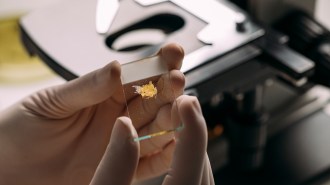
It masquerades as malignant. But this bone-covered tumor is benign
Scientists have described a novel, yet benign bone-covered growth's characteristics for doctors, so patients don't receive unnecessary chemotherapy.
- Neuroscience
A spot in the base of the brain has a love of language
Brain scans show a spot in the cerebellum attuned specifically to words, expanding on studies that point to the region's importance for language.
- Anthropology
This hand stencil in Indonesia is now the oldest known rock art
The work suggests early Homo sapiens developed enduring artistic practices as they moved through the islands of Southeast Asia.
- Health & Medicine
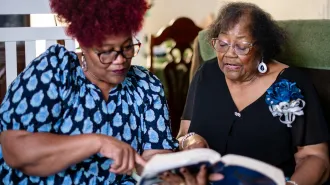
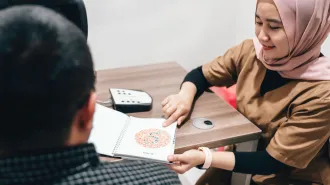
Color blindness hides a key warning sign of bladder cancer
A large U.S. health records study suggests that difficulty seeing blood in urine may put color-blind patients at higher risk.
- Archaeology
This ancient pottery holds the earliest evidence of humans doing math
Flower designs on 8,000-year-old Mesopotamian pots reveal a “mathematical knowledge” perhaps developed to share land and crops, archaeologists say.
- Health & Medicine
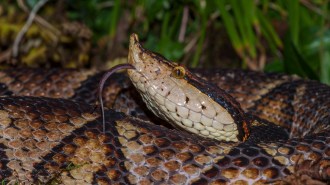
Botox could be used to fight snakebite
A study on rabbits dosed with viper venom suggests that botulinum toxin may alleviate some effects of snakebite, possibly by dampening inflammation.