Life
We summarize the week's scientific breakthroughs every Thursday.
- Life
How the Galápagos cormorant got its tiny wings
Galápagos cormorants’ tiny wings may be due to altered reception in cellular antennas.
- Life
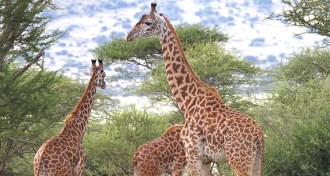
Giraffe’s long neck linked to its genetic profile
Giraffes’ genes may reveal how their necks grew long and hearts got strong.
- Health & Medicine
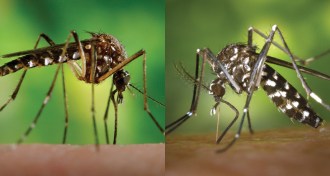
Scientists wrestle with possibility of second Zika-spreading mosquito
It’s hard to say yet whether Asian tiger mosquitoes will worsen the ongoing Zika outbreak in the Americas.
- Animals
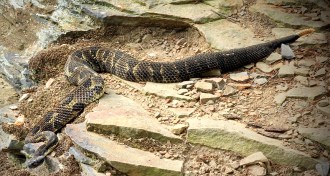
‘America’s Snake’ chronicles life and times of iconic timber rattlesnake
America’s Snake looks past timber rattlesnake’s fearsome reputation and delves into the fascinating biology of this iconic serpent.
- Genetics
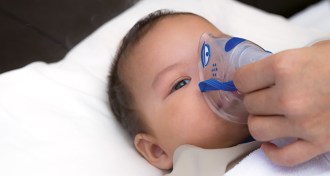
Faulty gene can turn colds deadly for babies, toddlers
Children with a faulty virus-sensing gene may land in intensive care after a cold.
- Neuroscience
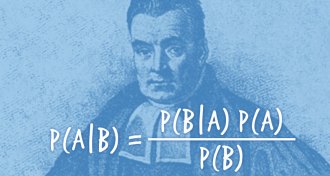
Bayesian reasoning implicated in some mental disorders
An 18th century math theory may offer new ways to understand schizophrenia, autism, anxiety and depression.
- Neuroscience
Brain waves in REM sleep help store memories
Mice with disturbed REM sleep show memory trouble.
- Life
Gut microbe may challenge textbook on complex cells
Science may finally have found a complex eukaryote cell that has lost all of its mitochondria.
- Life
How to trap sperm
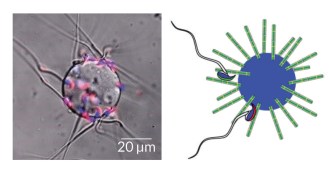
Lab-made beads can trick and trap sperm, potentially preventing pregnancy or selecting sperm for fertility treatments.
- Health & Medicine
Mouse studies link Zika virus infection to microcephaly
Three new studies in mice shore up the link between microcephaly and Zika virus infection.
- Health & Medicine
This week in Zika: First mouse study proof that Zika causes microcephaly
Three new studies in mice shore up the link between microcephaly and Zika virus infection.
- Animals
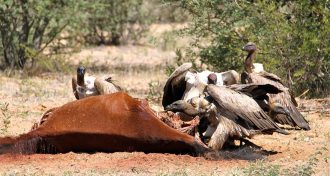
Vultures are vulnerable to extinction
Life history makes vultures more vulnerable to extinction than other birds, a new study finds, but humankind’s poisons are helping them to their end.