Notebook
-
HumansBabbling to babies is OK, despite previous warnings against it
Fifty years ago, a researcher advised banning baby talk, but results since then say otherwise.
-
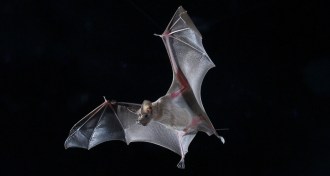
Animals‘Bag of chips effect’ helps bats find a meal
Bats get a clue to where dinner is by listening to peers attacking prey.
-
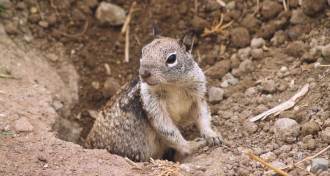
AnimalsWhy ground squirrels go ninja over nothing
Ground squirrels twist and dodge fast enough to have a decent chance of escaping rattlesnake attacks.
By Susan Milius -
NeuroscienceCold War collaboration probed possible viral cause of ALS
A mid-1960s collaboration between American and Soviet researchers explored a possible viral cause of ALS.
By Beth Mole -
EnvironmentTrash researcher tallies ocean pollution
Marcus Eriksen has always had a thing for trash, and now he tallies ocean pollution.
By Julia Rosen -
LifeFossil fish eye has 300 million-year-old rods and cones
A fossil fish shows the earliest evidence of rods and cones, cells essential for color vision in vertebrates.
-
AnimalsIt’s bat vs. bat in aerial jamming wars
In nighttime flying duels, Mexican free-tailed bats make short, wavering sirenlike sounds that jam each other’s sonar.
By Susan Milius -
Health & MedicineElectric detection of lung cancer
In 1964, researchers hoped to improve lung cancer diagnosis by measuring the skin’s electrical resistance.
-
ClimateSuper typhoon shoved supersized boulder
Typhoon Haiyan pushed a 180-ton boulder, the most massive rock ever seen moved by a storm.
-
NeuroscienceCocoa antioxidant sweetens cognition in elderly
Very high doses of antioxidants found in cocoa may prevent some types of cognitive decline in older adults. But that’s not an excuse to eat more chocolate.
-
EcosystemsBee losses followed World Wars
British historical records show a century-long decline of important pollinators: bees and some wasps.
By Beth Mole -
EnvironmentBlack carbon fouls New York subway stations
Black carbon, a respiratory irritant, fouls air in New York subway stations.
By Meghan Rosen