Uncategorized
- Planetary Science
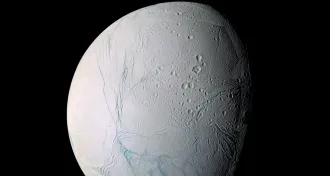
Subsurface sea hides below ice of Saturn moon
Astronomers add to evidence for a subsurface ocean on Enceladus using subtle variations in the moon’s gravity.
- Neuroscience
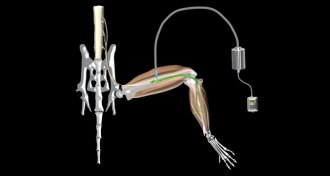
Paralyzed mouse legs move with burst of light
Neural patch makes leg muscles twitch in paralyzed mice when blue light shines.
- Computing
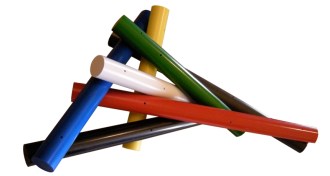
A tale of touching tubes
Mathematicians solve the challenge of putting seven cylinders in contact without using their ends.
- Anthropology
Bronze Age herders spread farming around Asia
Ancient seeds indicate that Central Asian animal raisers had an unappreciated impact on early agriculture.
- Neuroscience
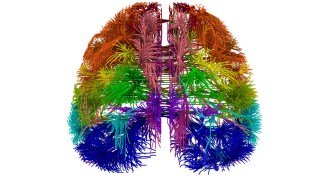
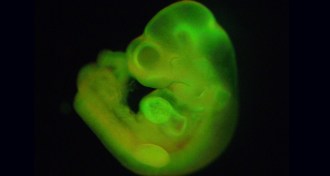
Brain’s growth, networks unveiled in new maps
Two large-scale efforts describe human and mouse brains in detail.
- Health & Medicine
Statins may improve erectile function
Although doctors had been concerned that statins were associated with erectile dysfunction, an analysis of 14 studies finds that the drugs may actually help erectile function.
- Health & Medicine
Celiac disease linked to heart problems
Inflammation may explain the link between celiac disease, a digestive disorder, and coronary artery disease.
- Science & Society
Misconduct found in Japanese stem cell research
An investigation into reports describing a type of stem cells called STAP cells has found that the lead researcher is guilty of scientific misconduct.
- Genetics
Neandertal legacy written in Europeans’ fat metabolism
DNA inherited from Neandertal interbreeding may have helped people adjust to Europe’s environment.
- Animals
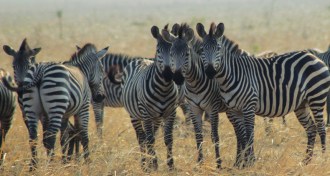
Zebra stripes may be mainly defense against flies
The function of zebra stripes may not be for camouflage or cooling, a new analysis finds.
- Earth
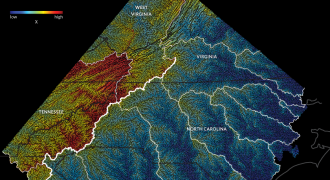
Evolution of river systems
A river’s erosion downward and across a landscape is based on a variety of factors, including terrain steepness and the arrangement of tributaries.
- Psychology
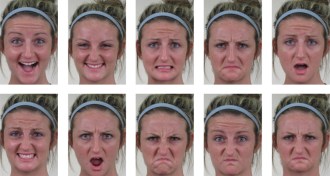
Twenty-two emotions are written on our faces
People’s faces express at least 22 feelings – far more than the six emotions scientists previously recognized.