These medical breakthroughs and advances gave patients new hope in 2025
Notable results include a Huntington’s treatment and custom gene therapy
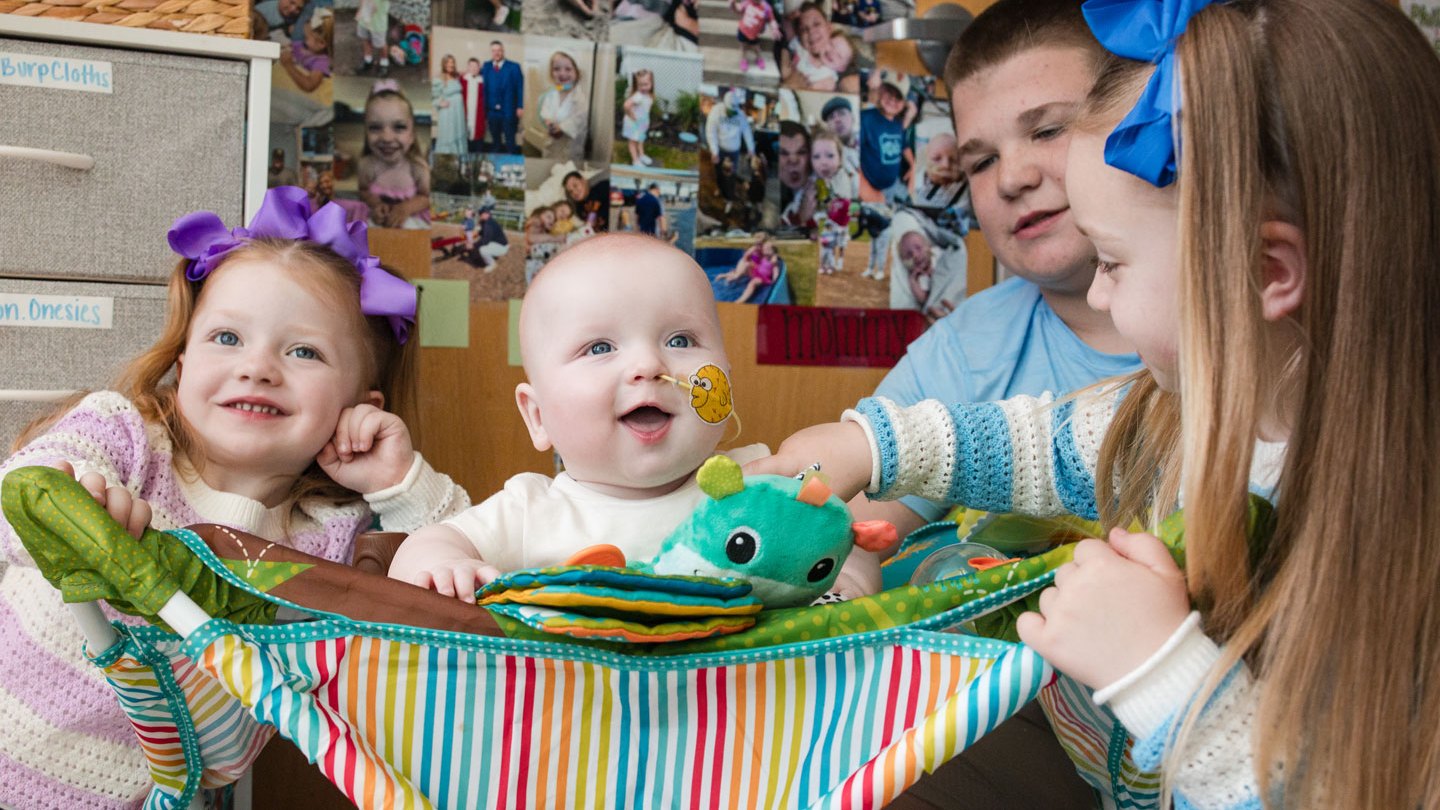
A gene therapy designed just for baby KJ Muldoon (center, surrounded by his siblings) saved his life.
CHOP
American science took a beating this year, with cuts to funding, jobs and credibility. And yet, scientists persisted and made progress. These advances in 2025 spotlight how crucial it is to support biomedical research — and how much of an impact it can have on people’s lives.
Slowing Huntington’s for the first time
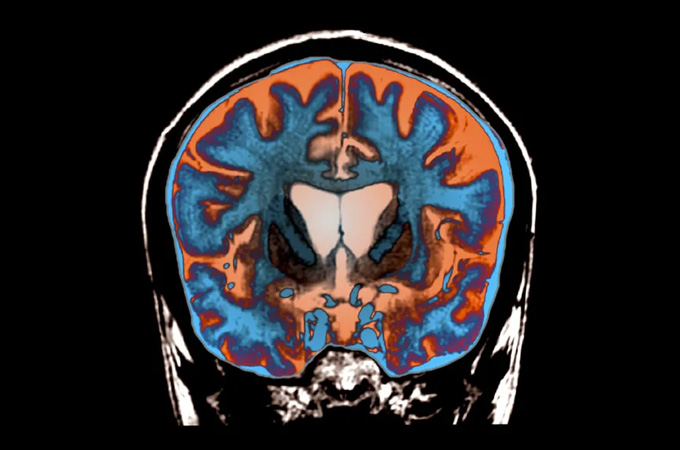
Huntington’s disease is a progressive neurological disorder that steals people’s control over their bodies. Patients may freeze up or involuntarily jerk or writhe. Doctors have no effective treatments, but an experimental drug could change that. The drug consists of a virus carrying tiny bits of RNA that halt the production of disease-causing proteins. Injected into the brain, the treatment slowed Huntington’s progress by up to 75 percent — a triumph for scientists and a promising sign for patients.
Gene editing saved baby KJ

Scientists saved a baby’s life using personalized gene therapy. Baby KJ Muldoon had a gene mutation that causes dangerous levels of ammonia to build up in the body. Scientists fixed the problem using a custom CRISPR-based therapy that erased KJ’s mutation and penciled in a correction. It’s the first time scientists have treated a patient with a gene therapy designed just for them. With a new clinical trial in the works, it’s an approach that could soon be available for more individuals with rare diseases.
This vaccine appears to reduce dementia risk
A slate of studies this year offered tantalizing evidence that the shingles vaccine might prevent dementia. The vaccine targets the chicken pox virus varicella zoster, which can reawaken in infected individuals to cause a blistering rash — shingles — later in life. People who got the shot were about 20 percent less likely to develop dementia than those who didn’t, data from Wales suggested. Scientists observed something similar in people from Australia. The vaccine’s effect may even slow dementia’s progression in those already living with the condition, researchers reported in December.
The first bladder transplant was a success
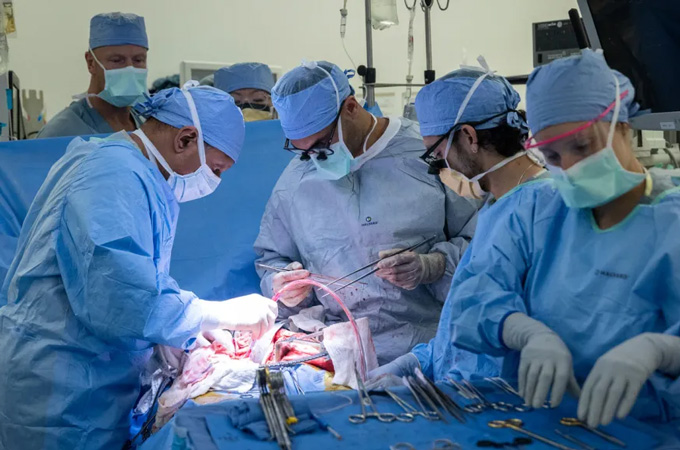
Compared with transplanting celebrated organs like the heart and lungs, you’d think transplanting the bladder would be easy. Not so. Technical challenges include reattaching a uniquely complex tangle of blood vessels and nerves. This year, urologic surgeons prevailed, reporting the first successful bladder transplant. The patient’s urine drained well from the kidney to the new bladder, but doctors will need to continue to monitor him to see if the organ really functions like new.
COVID vax boosts cancer therapy
mRNA-based COVID vaccines may come with a surprise side benefit: making some cancer therapies work better. Vaccinated people with lung or skin cancer who were treated with a kind of cancer treatment called immunotherapy tended to live longer than their unvaccinated counterparts, scientists discovered. It’s a surprise because COVID vaccines aren’t designed to target cancer yet somehow have anticancer powers. Researchers think the mRNA itself may jump-start the immune system, turbocharging immunotherapies’ ability to rally cancer-fighting cells.
Staying safe from RSV
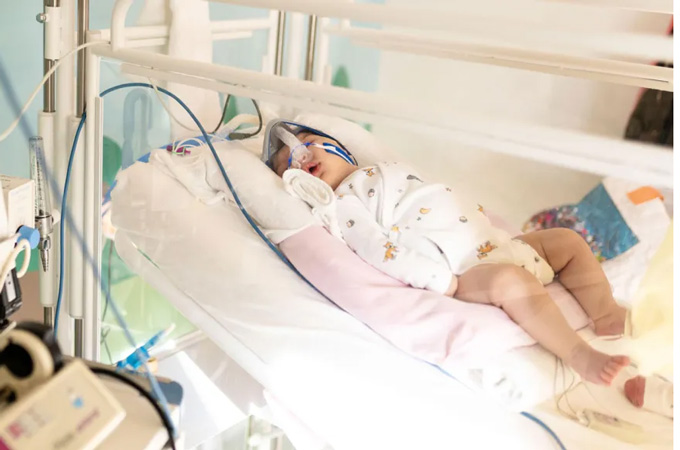
Widespread availability of two preventative tools may be helping babies avoid severe cases of respiratory syncytial virus, or RSV. A maternal vaccine and an antibody for infants could be behind the drop in RSV hospitalizations scientists observed last winter. The effectiveness of such tools is good news for babies and their families, because the virus is the leading cause of infant hospitalization in the United States and can lead to nasty complications. But it’s unclear how long these protective tools will be available. After vaccine skeptics raised concerns about the treatments, the U.S. Food and Drug Administration said it would reevaluate them.