Otherworldly music albums feature space weather data
Radio waves crucial to space weather research inspire an unlikely trio to release music
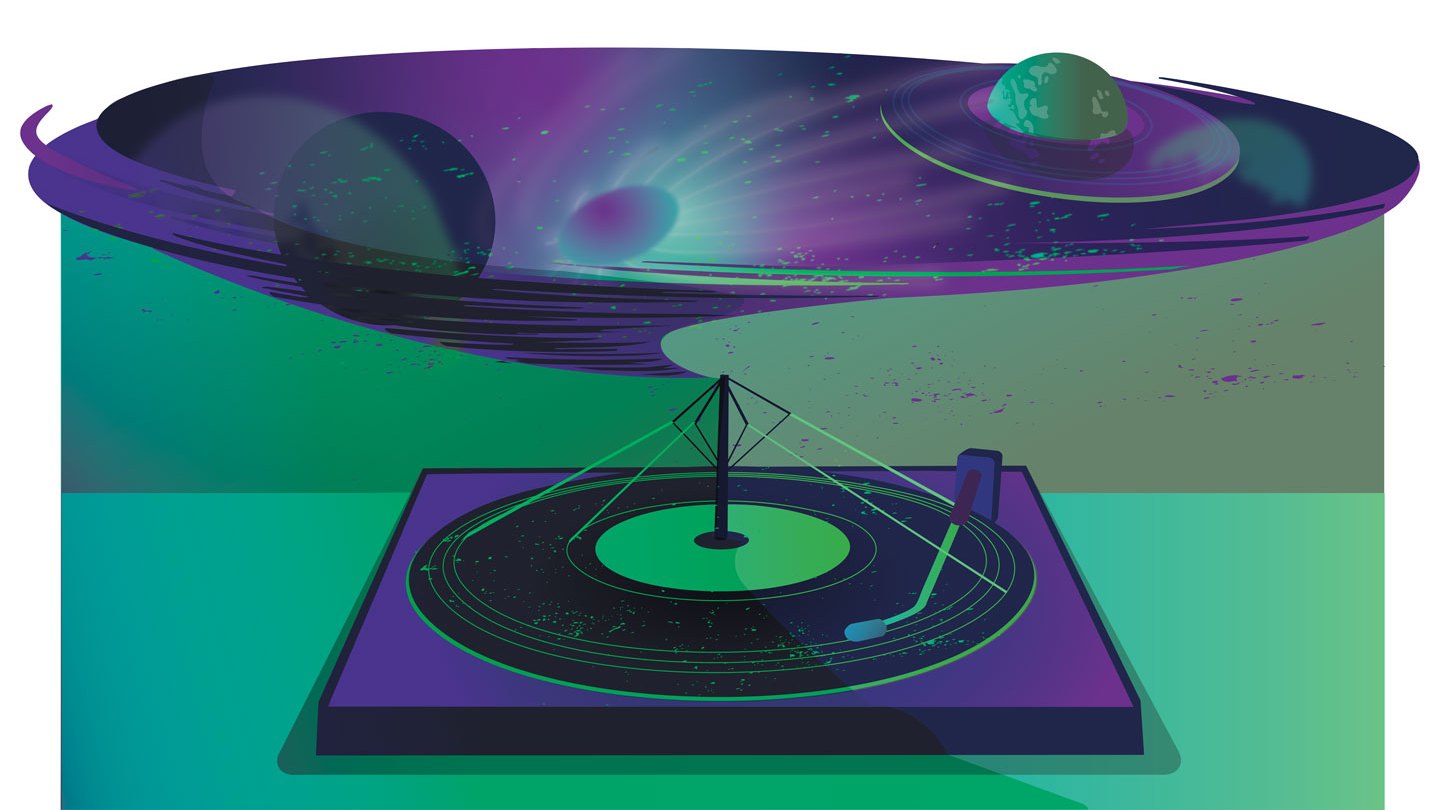
The Sounds of Space team sonifies the galaxy, turning scientific data into music albums.
Dalia Bieliunaite
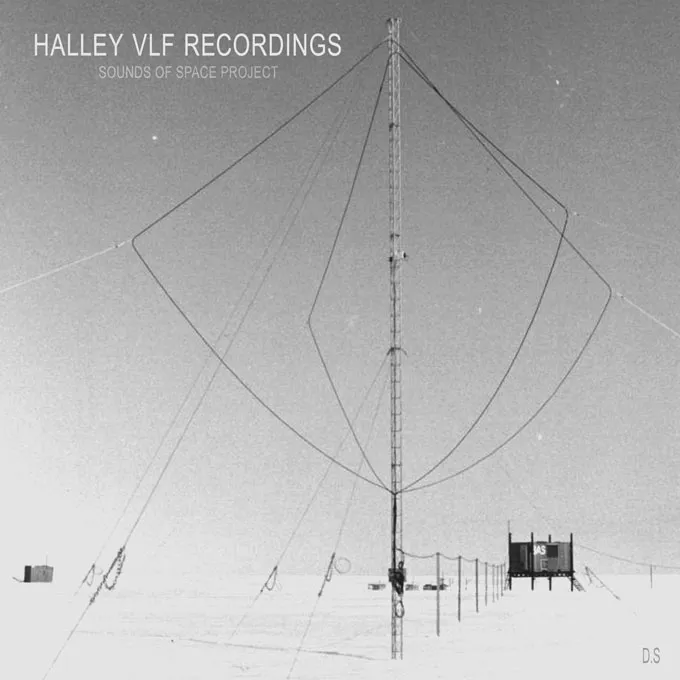
In the frozen vastness of Antarctica, a giant, spiderlike antenna eavesdrops on radio waves pulsing around Earth via our planet’s magnetic field. Triggered by solar winds and lightning, these waves can tell scientists about space. Scientists at the British Antarctic Survey use them to study space weather and its links to Earth’s climate. But for one scientist, the waves are more than just data points — they’re an artistic medium.
The radio waves, when converted to sound, make “weird and wonderful noises” that have a melodic quality to them, says research scientist Nigel Meredith of the BAS. That inspired him to team up with professional artists to transform the data into music.
On June 15, the team released Infinitas Formas, an album featuring sounds of Antarctica.
The project evolved from Meredith’s realization of just how cool the data collected by the antenna at Antarctica’s Halley Research Station sounded when played as audio. Many of the radio waves whizzing around our planet are in the audible frequency range, so they can be directly converted to sounds. And this is where the fun starts, because these sounds are literally out of this world but are also very familiar.
“We aim to evoke the beauty, wonder and vastness of space as emotional, experiential works while remaining grounded and inspired by the science.”
Diana Scarborough
multimedia artist
Sferics, short radio pulses generated by lightning, sound like crackly campfire. When they travel long distance, the pulses distort into ringing “tweaks” that sound like a quick-fire toy laser gun.
Chorus waves are reminiscent of a dawn chorus of songbirds. These waves are generated when electrons driven by solar winds enter Earth’s magnetosphere. (These electrons also trigger auroras.) And just like the birdsongs, the waves are the strongest at dawn.
Such sounds can help inspire the public to engage with space weather research and understand its importance, Meredith says. The chorus waves, for example, can accelerate electrons to very high energies, which then may threaten satellites and humans in space by damaging electronics and DNA.
After meeting Cambridge, U.K.–based multimedia artist Diana Scarborough at a science-meets-art event, the two struck up a partnership to form the Sounds of Space Project. Composer Kim Cunio, the head of the New Zealand School of Music at the Victoria University of Wellington, later joined. Over the last few years, they have worked on short films, dance performances, podcasts and publications, all featuring what the team calls a “unique combination” of science, music and the visual arts.
Since 2020, the trio have produced nine albums, which are available to stream on the project’s Bandcamp page. The space sounds Meredith gathers inspire the artists: Cunio composes music and Scarborough designs an image for each track and a trailer video for some of the albums, often incorporating striking pictures of the research station and natural phenomena such as auroras. “We each bring our unique perspectives, skills and curiosity,” Scarborough says. “We aim to evoke the beauty, wonder and vastness of space as emotional, experiential works while remaining grounded and inspired by the science.”
The albums might appeal to anyone who loves classical, experimental or background music, or simply to people interested in space and visual art. They all come with a brief text explaining the science behind the sounds.
The team’s new album is a bit more down to earth. It features field recordings from the R.R.S. Sir David Attenborough’s voyage to Antarctica in 2025 to study how climate change is affecting the release of nutrients from Earth’s polar regions. Sounds of the sea, wind, penguins and seals, as well as the background sounds of the boat deck and researchers at work are all included.
The team continues to explore sounds from other planets and space bodies. Each has its own unique features depending on how and where radio waves were generated. For example, the solar particles hitting Jupiter’s massive magnetic field sound like a giant ocean wave crashing onto the shore, as revealed in a 2016 recording by NASA’s Juno spacecraft.
Science symphonies
The team has released nine albums, inspired by Antarctica (left album cover) and even outer space (right).
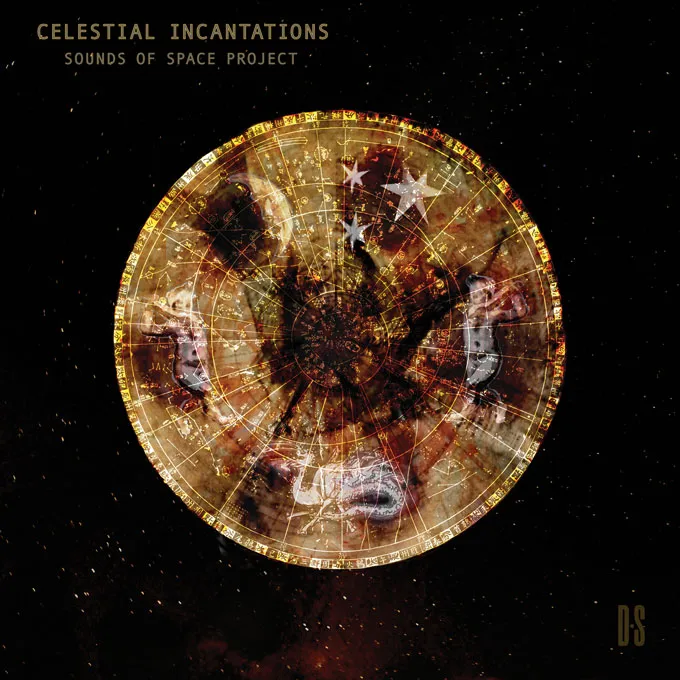
One striking aspect of the space sounds, the team says, is how similar they are to portrayals of space and aliens in popular culture: “It’s a bit like entering the film set of a 1960’s sci-fi movie,” the trio writes in one of the album notes. Meredith wonders if producers of that era were inspired by early recordings of space radio waves — the earliest date to the 1880s and 1890s when the waves were first picked up by telephone and telegraph wires. Or, Cunio says, similarities could be caused by the same type of equipment being used to both convert the radio waves into sounds and create early sci-fi sound effects. “We have been thinking about it for some years,” he says, but “no one knows exactly why they sound similar.”
Meredith plans to explore a wider range of space weather data. This would involve sonifying more data that space weather researchers collect for their models and forecasts, such as electron intensities or solar wind speeds high above Earth. Those sounds would then inspire music, Meredith says, and be used to convey ever more complex and detailed science to the public.