In lake ecosystems, methylmercury–which can be toxic to people–moves up the food chain, from algae to minute, floating animals called zooplankton to fish. New experimental evidence demonstrates that the amount of methylmercury in zooplankton decreases dramatically after an algal bloom.
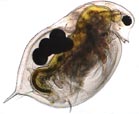
On the basis of computer models and field samples, some researchers have suspected that such blooms dilute toxic metals by spreading them out among the much larger number of individual algae cells–and thus offering zooplankton less-contaminated algae to feed upon.