Anthropology
Sugar may have been a key ingredient in human evolution
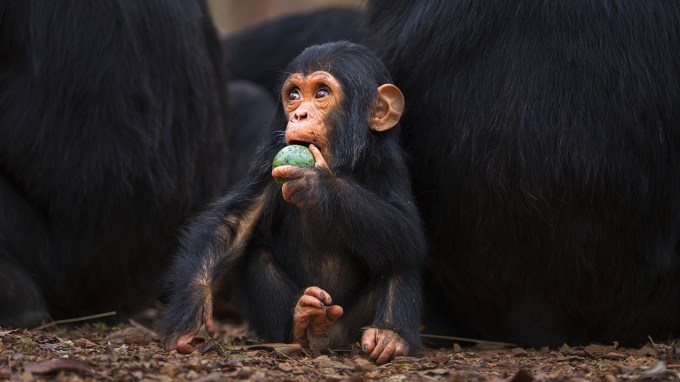
A sweet tooth for sugars from fruits and honey may have helped fuel brain growth in our primate cousins and early human ancestors, a new study suggests.
A sweet tooth for sugars from fruits and honey may have helped fuel brain growth in our primate cousins and early human ancestors, a new study suggests.
Editor in Chief Nancy Shute discusses the history of unethical practices in research on human remains and the progress toward more ethical standards.
Biological anthropologist Fatimah Jackson is leading an effort to prevent history from repeating.
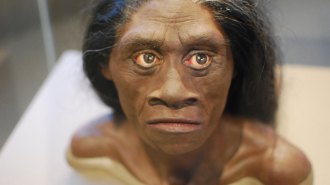
Homo floresiensis may have scavenged Komodo dragon leftovers instead of hunting small elephant relatives.
Archaeologists have unearthed new evidence that indicates hominids used fire up to 1.79 million years ago.
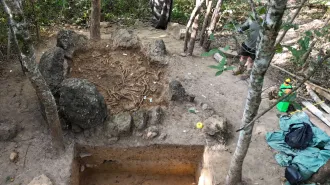
The remains of at least 37 people in an ancient stone 'jar' in northeastern Laos suggest that thousands similar jars were used in burials.
British chef Mike Keen will ski across Greenland eating only fermented seal. Researchers will study how the Inuit diet shapes gut health.
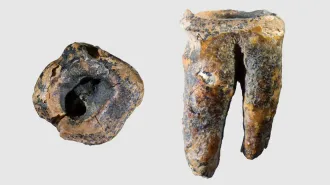
A 59,000-year-old Neandertal molar unearthed in Siberia was drilled with a stone tool – the earliest evidence of primitive dentistry.
Africa’s Turkana Rift Zone, a hotbed of hominin fossils, is caught in the act of “necking," a critical transition toward continental breakup.
Linguists can mix, match or even break the rules of real-world languages to create interesting imaginary ones.