Genetics
- Genetics
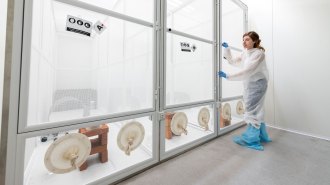
Who decides whether to use gene drives against malaria-carrying mosquitoes?
As CRISPR-based gene drives to eliminate malaria-carrying mosquitoes pass new tests, the African public will weigh in on whether to unleash them.
- Animals
Dog breed is a surprisingly poor predictor of individual behavior
Despite the popular conviction that dog breeds are associated with specific traits, breed accounts for only 9 percent of behavioral differences.
- Genetics
We finally have a fully complete human genome
Finding the missing 8 percent of the human genome gives researchers a more powerful tool to better understand human health, disease and evolution.
- Genetics
How gene therapy overcame high-profile failures
A dark period for gene therapy didn’t derail scientists determined to help patients.
- Genetics
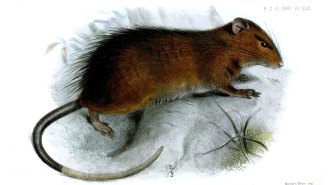
An extinct rat shows CRISPR’s limits for resurrecting species
Scientists recovered most of the Christmas Island rat’s genome. But the missing genes signal a problem for using gene editing to de-extinct species.
- Genetics
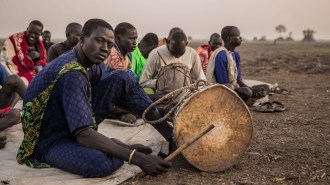
Africa’s oldest human DNA helps unveil an ancient population shift
Long-distance mate seekers started staying closer to home about 20,000 years ago.
- Genetics
Gene therapies for sickle cell disease come with hope and challenges
Pediatrician Erica Esrick discusses existing sickle cell treatments and an ongoing clinical trial.
- Genetics
How the Human Genome Project revolutionized understanding of our DNA
Completion of the Human Genome Project was a huge milestone, but there’s more work to do to ensure equitable access to the information in our DNA.
- Genetics
How one scientist aims to boost Black people’s representation in genetic datasets
Through information sharing, geneticist Tshaka Cunningham wants to build trust and encourage more Black people to engage with the medical community.
- Archaeology
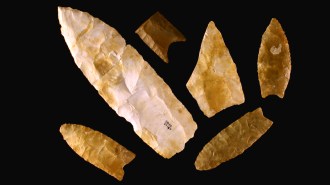
‘Origin’ explores the controversial science of the first Americans
A new book looks at how genetics has affected the study of humans’ arrival in the Americas and sparked conflicts with Indigenous groups today.
- Animals
Scientists vacuumed animal DNA out of thin air for the first time
The ability to sniff out animals’ airborne genetic material has been on researchers’ wish list for over a decade.
- Genetics
A genetic analysis hints at why COVID-19 can mess with smell
People with some genetic variants close to smell-related genes had an 11 percent higher risk of losing their sense of taste or smell.