Science & Society
Historical art can hide scientific secrets
Scientists are working closely with art historians to uncover scientific documentation in historic paintings.
We summarize the week's scientific breakthroughs every Thursday.
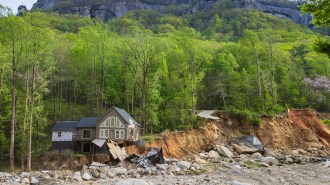
Appalachia is a hotspot of landslides, but many there can’t afford to move away or mitigate the danger, a new study finds. Wealthy urban residents can.
Editor in Chief Nancy Shute reviews new research in static electricity and other science revelations in our September magazine issue.
In early trials, a new vaccine that didn’t require refrigeration still protected against tetanus and diphtheria.
What makes a greener wipe? Researchers have more to say about bamboo's ecological risks, given limited carbon footprint data.
School device use links with lower test scores and distractions abound. But reversing the entrenched pandemic pivot to screens will be hard.
Getting more protein has been all the rage. In sedentary people, that advice could accelerate aging.
A chat with aged avatars of future selves can guide people paralyzed by tough decisions. The question is what information to feed the bots.
A few millennia ago, people worldwide may have spoken or signed up to 10 times as many languages as they do today.
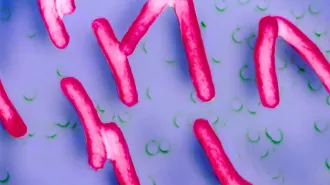
Shigella causes about 450,000 U.S. infections each year. An experimental oral vaccine protected adults in a small human trial.