Uncategorized
- Plants
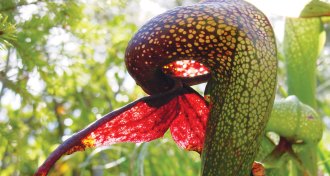
Meat-eating pitcher plants raise deathtraps to an art
The carnivorous California pitcher plant ensnares its dinner using a medley of techniques.
- Neuroscience
Facial-processing area of brain keeps growing throughout childhood
Contrary to scientists’ expectations, a facial-processing area of the brain grows new tissue during childhood, an MRI study suggests.
- Paleontology
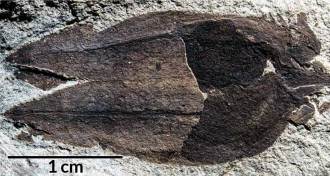
Tomatillo fossil is oldest nightshade plant
Two 52-million-year-old tomatillo fossils in Patagonia push the origin of nightshade plants back millions of years, to the time when dinosaurs roamed.
- Archaeology
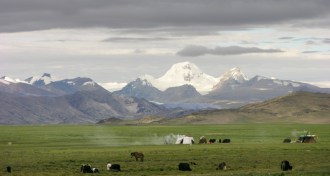
Hunter-gatherers were possibly first to call Tibetan Plateau home
Hunter-gatherers may have been Asia’s first year-round, high-altitude settlers.
- Astronomy
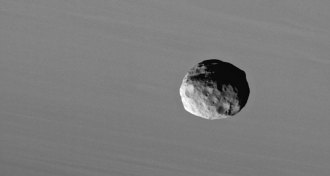
Saturn’s 10th moon was the first satellite discovered in the modern space age
Fifty years ago, astronomers knew of 10 moons orbiting Saturn. Since then they’ve catalogued a diverse set of 62 satellites, with the help of the Cassini spacecraft.
- Climate
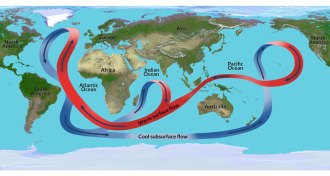
Warming could disrupt Atlantic Ocean current
The Atlantic current that keeps northwestern Europe warm may be less stable under future climate change than previously thought, revised simulations show.
- Astronomy
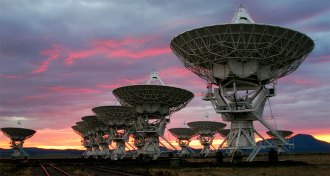
Gotcha: Fast radio burst’s home nabbed
For the first time, astronomers pinpoint a precise position on the sky for a fast radio burst, revealing that the outburst originated in a galaxy about 2.5 billion light-years away.
- Chemistry
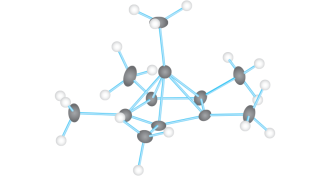
Carbon can exceed four-bond limit
Scientists confirm structure of unusual molecule in which carbon bonds to six other carbon atoms.
- Animals
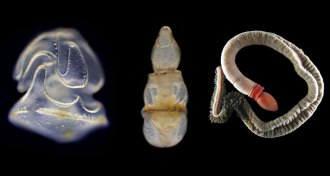
These acorn worms have a head for swimming
The larvae of one type of acorn worm are basically “swimming heads,” according to new genetic analyses.
- Archaeology
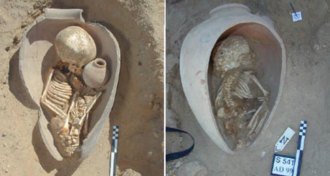
Ancient Egyptian pot burials were not just for the poor
In ancient Egypt, using pots for burial containers was a symbolic choice, not a last resort, archaeologists say.
- Life
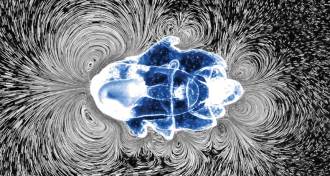
Baby starfish on the hunt whip up whirlpools
Starfish larvae use hairlike cilia to stir up water whorls and suck prey in close.
- Astronomy
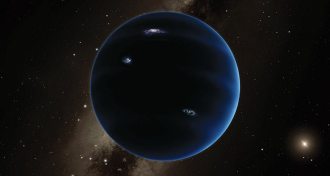
These 2016 stories could be really big — if they’re true
These findings would have rocked the scientific world, if only the evidence were more convincing.