Uncategorized
- Anthropology
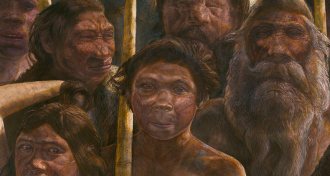
Ancient DNA reveals who is in Spain’s ‘pit of bones’ cave
Ancient DNA shows Neandertals lived in northern Spain 430,000 years ago; the early date raises new questions about Neandertals’ origins.
- Materials Science
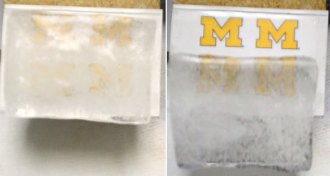
New process encourages ice to slip, slide away
Researchers discover new process for making durable ice-phobic materials.
- Climate
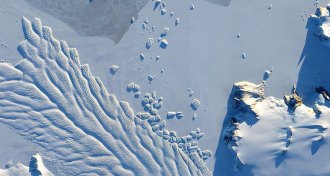
Antarctic history suggests ice sheet ‘danger’ threshold
Carbon dioxide levels during the Antarctic ice sheet’s formation 34 million years ago suggest that Earth could soon enter “danger zone” for ice sheet’s demise.
- Plants
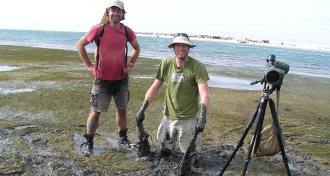
How to keep seagrasses as happy as a clam
Drought can do more damage to seagrass meadows if their partnership with clams break down.
- Astronomy
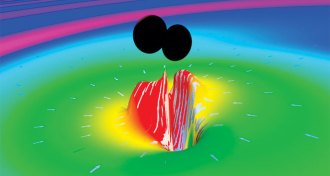
Black hole smashup generated yottawatts of power
For a split second, LIGO’s black hole collision generated 36 septillion yottawatts of power, or 50 times the power from all the stars in the universe.
- Quantum Physics
Finding wonders in fat
In the latest issue of Science News, Editor in Chief Eva Emerson talks fat cells, thermodynamics, and lead poisoning.
- Neuroscience
Readers respond to stress, tattoos, and the universe
Stress, tattoos, cosmic origins and more reader feedback.
- Health & Medicine
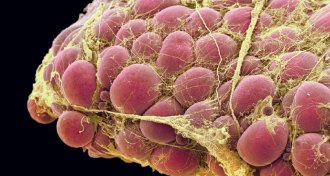
Cells from fat mend bone, cartilage, muscle and even the heart
Stem cells and other components of fat can be coerced to grow into bone, cartilage, muscle or to repair the heart.
- Health & Medicine
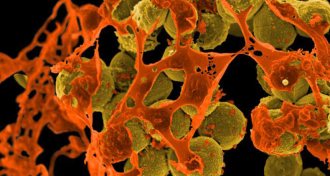
Molecules found to counter antibiotic resistance
Molecules made in a lab can foil antibiotic resistance in bacteria.
- Health & Medicine
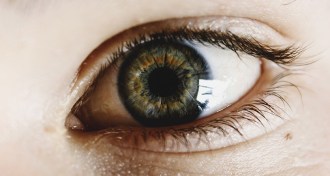
New techniques regrow lens, cornea tissue
Preliminary stem cell discoveries may restore lenses and corneas.
- Anthropology
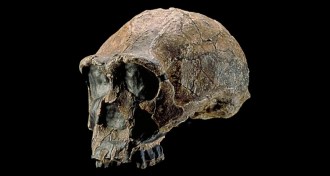
H. erectus cut, chewed way through evolution
A diet that included raw, sliced meat changed the face of early Homo evolution, scientists say.
- Oceans
Swirls of plankton decorate the Arabian Sea
The dinoflagellate Noctiluca scintillans is taking over in the Arabian Sea, posing a potential threat to its ecosystem.