Uncategorized
-
LifeGene editing helps a baby battle cancer
Doctors used molecular scalpels to tweak T cells to target leukemia but not harm the patient.
-
AnthropologyAncient hominids used wooden spears to fend off big cats
Saber-toothed cat remains suggest ancient hominids used wooden spears as defensive weapons.
By Bruce Bower -
PhysicsWater droplets spontaneously bounce, sans trampoline
Initially stationary water droplets can bounce on an extremely water-repellent surface as if on a trampoline.
By Andrew Grant -
PaleontologyLand life spared in Permian extinction, geologists argue
New rock layer dating in South Africa’s Karoo Basin suggests that extinctions of land species didn’t coincide with the Permian extinction around 252 million years ago.
-
ChemistryTricky element isolated from spent nuclear fuel
A new chemical technique makes it easier to extract the radioactive element americium from used nuclear fuel, potentially paving the way for better ways to reprocess and recycle nuclear waste.
By Andrew Grant -
Planetary ScienceMAVEN mission finding clues to Mars’ climate change
Intense solar storms in the past might have stripped Mars of its water as well as much of the rest of its atmosphere.
-
ClimateKangaroo farts may not be so eco-friendly after all
Kangaroos fart methane, but not much thanks to the metabolism of gut microbes
-
Health & MedicineParasite gives a man cancer
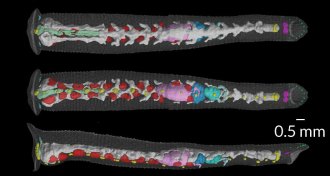
Tapeworms can kick parasitism up a notch to become cancer, a case in Colombia shows.
-
Science & SocietyScientists find the intrigue in Earth’s dullest times
New methods, coupled with new attitudes, are revising ideas about Earth's boring billion.
By Eva Emerson -
Science & SocietyQuantum spookiness, magnetic mysteries and more feedback
Letters and comments from readers on quantum spookiness, Earth's magnetic field, and more.
-
Particle PhysicsAntiprotons match protons in response to strong nuclear force
The first study of how antiprotons interact with each other reveals yet again that particles of antimatter behave just like their ordinary matter counterparts.
By Andrew Grant -
NeuroscienceBrain’s GPS cells map time and distance, not just location
Brain’s GPS cells map time and distance, too.