Uncategorized
- Oceans
Unknowns linger for sea mining
Scientists struggle to predict underwater digs’ effects on sea life.
- Psychology
Stress hormone rise linked to less risky financial decisions
People given cortisol chose safer options, suggesting inherent risk aversion as an overlooked variable in financial crises.
- Earth
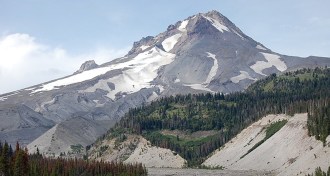
Magma spends most of its existence as sludgy mush
Volcanic magma may spend most of its time in a chunky state resembling cold porridge, a new study finds.
- Physics
Levitating objects with sound
Physicists have levitated millimeter-sized objects. Now, the objects can levitate and move in all directions.
- Neuroscience
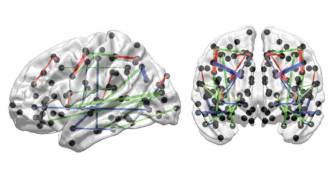
White matter scaffold offers new view of the brain
A new neural map of white matter connections may explain why some injuries are worse than others.
- Climate
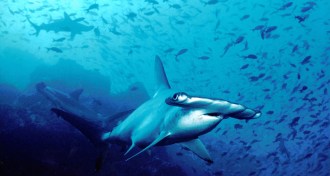
Sharks could serve as ocean watchdogs
Tagged with sensors, toothy fish gather weather and climate data in remote Pacific waters.
- Animals
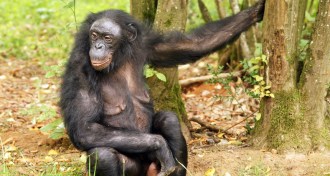
Bonobos feel the beat
Some animals, like cockatoos and bonobos, are able to move to the groove. Studying animals that keep the beat might tell us whether musical rhythm is really widespread.
- Chemistry
X-rays uncover hidden faces in Rembrandt painting
Lead paint under the surface of the work gives away the artist’s indecisiveness.
- Health & Medicine
Project to collect 100,000 people’s medical data
Tracking microbiomes, blood tests and more over decades could provide individual health recommendations.
- Ecosystems
Arctic melting may help parasites infect new hosts
Grey seals and beluga whales encounter killer microbes as ranges change.
- Animals
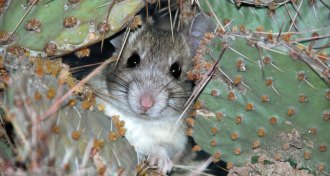
‘Packrat’ is the new term for ‘really organized’
The more eclectic hoarder species segregate pantry from lumber room from junk museum. The result is more orderly than the closets of some human packrats.
- Math
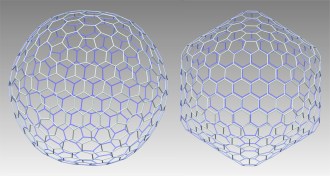
Goldberg variations: New shapes for molecular cages
Scientists have figured a way to iron out the wrinkles in a large class of molecular cages.