Quirky Cardiology: Crocs’ hearts may aid their digestion
The crocodile’s ability to direct oxygen-depleted blood to its stomach may be instrumental in digesting large, bony meals and recovering from hunting-induced accumulation of lactic acid, some researchers propose. But other scientists argue that the croc’s unique circulatory system is instead an adaptation for lengthy dives, during which the animal must hold its breath as it stalks and then drowns its prey.
The hearts of crocodilians, including crocodiles and alligators, have four compartments. Two chambers send oxygen-rich blood to most of the body, and two move deoxygenated blood toward the lungs to be replenished. Mammals and birds use that same basic hardware.
But unlike mammals and birds, crocodilians have special cardiac valves that sometimes shunt blood between the oxygenated and deoxygenated parts of the system (SN: 8/26/00, p. 133: Available to subscribers at Toothy valves control crocodile hearts). That functionality makes the croc’s heart “the most elegant and sophisticated of all of the vertebrate hearts,” says Gordon Grigg of the University of Queensland in Brisbane, Australia.
Researchers have known about shunting in crocs for decades, and some scientists, including Grigg, have suggested that it enables the animals to temporarily store oxygen-rich blood in the vessels of their lungs during long dives.
But Colleen G. Farmer of the University of Utah in Salt Lake City raises an alternative possibility: The crocodilian heart isn’t designed for hunting but rather for what may come afterward. In experiments on captive alligators, she and her colleagues noticed that after the animals eat, they shunt large volumes of deoxygenated blood to their stomachs. This shunting, like digestion, persists for about 10 days, she says.
Deoxygenated blood returning from the body is rich in carbon dioxide, which is a building block of stomach acid.
To test whether the rerouted blood affects digestion, Farmer’s team surgically inactivated the shunting mechanism in some alligators and performed an operation that left the mechanism intact in others.
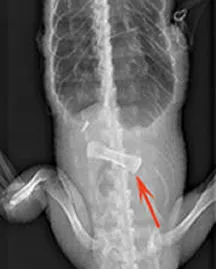
The researchers fed the alligators meals of hamburger and an oxtail bone and then X rayed the animals four times over 9 days to monitor the pace of digestion. Alligators with intact circulatory systems digested the bone more rapidly than did animals that couldn’t shunt blood, Farmer reported last week at an American Physiological Society meeting in Virginia Beach, Va.
The carbon dioxide–rich blood carries acid removed from muscle. During shunting, that acid is delivered to the stomach, where it’s harmless or beneficial, Farmer theorizes. Lactic acid, a by-product of physical exertion, accumulates in the animals’ muscles as they struggle to subdue prey.
Shunting, Farmer suggests, “is an integrated way for them to meet two physiological needs: to recover from lactic acid buildup and to get ready for digesting a huge meal.”
“I’m a bit skeptical,” says Grigg. He suggests that the shunt-closing surgery might have impaired digestion by robbing the alligators’ stomachs of blood flow.