8,312 results
8,312 results for: Fish
- Animals
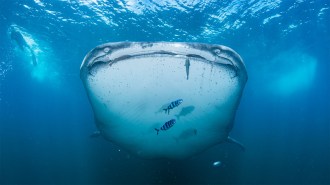
50 years after ‘Jaws,’ sharks face their own terror
Humans have driven sharks and their cousins to the brink of extinction. The health of the entire ocean is at stake.
- Climate
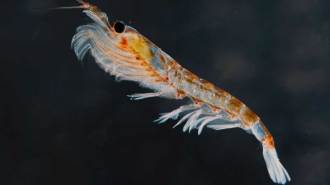
Antarctic krill eject more food when it’s contaminated with plastic
Antarctic krill don’t just sequester carbon in their poop; they also make carbon-rich pellets out of leftovers. But microplastics may throw a wrench in the works.
- Paleontology
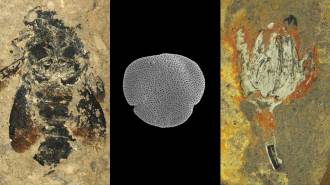
These ancient bumblebees were found with their pollen source
Insects have long pollinated plants, but evidence of ancient pairing is rare. Fossils now show bees and linden trees goes back 24 million years.
- Physics
Here’s how Rudolph’s light-up nose might be possible
Simple chemistry could give the reindeer his famously bright snout. But physics would make it look different colors from the ground.
- Animals
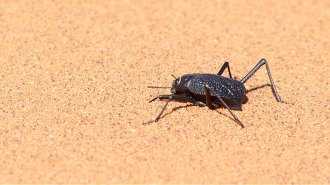
This desert beetle runs to cool off
After a sprint, the temperature of the beetle Onymacris plana drops. Efficient running, a body built for cooling and a little bit of lift all help.
- Animals
The mysterious, extinct ‘Fuegian dog’ was actually a semi-tame fox
Historic European accounts long described the canids as domesticated dogs. A new study suggests that’s probably not true.
- Health & Medicine
Peptides are unproven as health aids. FDA may unleash them anyway
Rather than reining in the compounds, the FDA may be poised to broaden access, perhapas even adding peptides to supplements. Experts say “buyer beware.”
- Animals
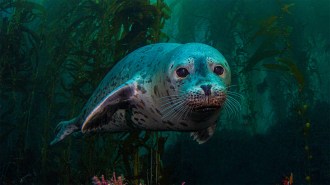
U.S. seal populations have rebounded — and so have their conflicts with humans
Alix Morris’s new book, A Year with the Seals, explores humans’ complicated relationship with these controversial marine mammals.
- Paleontology
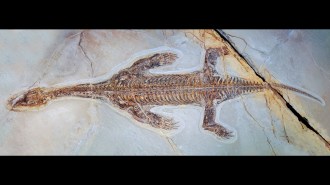
An ancient reptile’s fossilized skin reveals how it swam like a seal
A reptile fossil is the first of its kind with skin and partially webbed feet, possibly showing how later species like plesiosaurs adapted to water.
- Health & Medicine
‘Butt breathing’ could help people who can’t get oxygen the regular way
Takanori Takebe’s strange investigation into whether humans can use the gut for breathing has surprisingly sentimental origins: helping his dad.
-
- Anthropology
A 104-centimeter-long hair could rewrite recordkeeping in Inca society
Analysis of the hair used in a knotted device reveals the owner’s simple diet. That suggests commoners, not just the elite, kept records in Inca society.