Anthropology
- Genetics
An Indigenous people in the Philippines have the most Denisovan DNA
Genetic comparisons crown the Indigenous Ayta Magbukon people as having the most DNA, 5 percent, from the mysterious ancient hominids.
- Psychology
Psychology has struggled for a century to make sense of the mind
Research into what makes us tick has been messy and contentious, but has led to intriguing insights.
- Anthropology
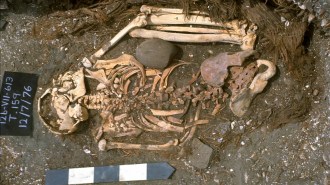
A skeleton from Peru vies for the title of oldest known shark attack victim
The 6,000-year-old remains of a teen with a missing leg and tell-tale bite marks came to light after news of a 3,000-year-old victim in Japan surfaced.
- Anthropology
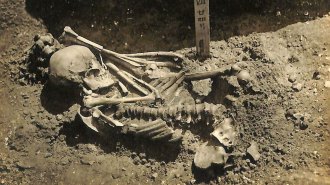
A partial skeleton reveals the world’s oldest known shark attack
An ancient shark bite victim died quickly, before his body was recovered and buried, a new study finds.
- Anthropology
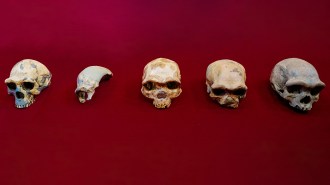
‘Dragon Man’ skull may help oust Neandertals as our closest ancient relative
A Chinese fossil has been classified as a new Homo species that lived more than 146,000 years ago, but not all scientists are convinced.
- Anthropology
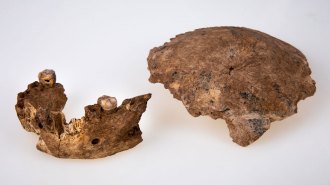
Israeli fossil finds reveal a new hominid group, Nesher Ramla Homo
Discoveries reveal a new Stone Age population that had close ties to Homo sapiens at least 120,000 years ago, complicating the human family tree.
- Archaeology
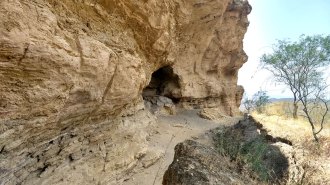
New clues suggest people reached the Americas around 30,000 years ago
Ancient rabbit bones from a Mexican rock-shelter point to humans arriving on the continent as much as 10,000 years earlier than often assumed.
- Anthropology
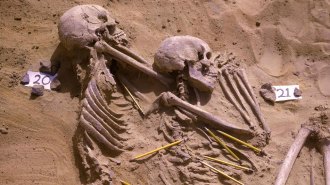
Hunter-gatherers first launched violent raids at least 13,400 years ago
Skeletons from an ancient African cemetery bear the oldest known signs of small-scale warfare.
- Archaeology
To find answers about the 1921 race massacre, Tulsa digs up its painful past
A century ago, hundreds of people died in a horrific eruption of racial violence in Tulsa. A team of researchers may have found a mass grave from the event.
- Anthropology
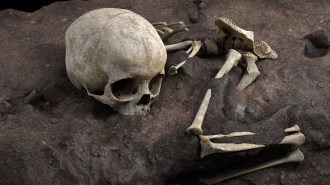
A child’s 78,000-year-old grave marks Africa’s oldest known human burial
Cave excavation of a youngster’s grave pushes back the date of the first human burial identified in the continent by at least a few thousand years.
- Anthropology
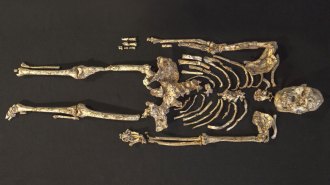
Little Foot’s shoulders hint at how a human-chimp common ancestor climbed
The shape of the 3.67-million-year-old hominid’s shoulder blades suggests it had a gorilla-like ability to climb trees.
- Humans
Neandertal DNA from cave mud shows two waves of migration across Eurasia
Genetic material left behind in sediments reveals new details about how ancient humans once spread across the continent.